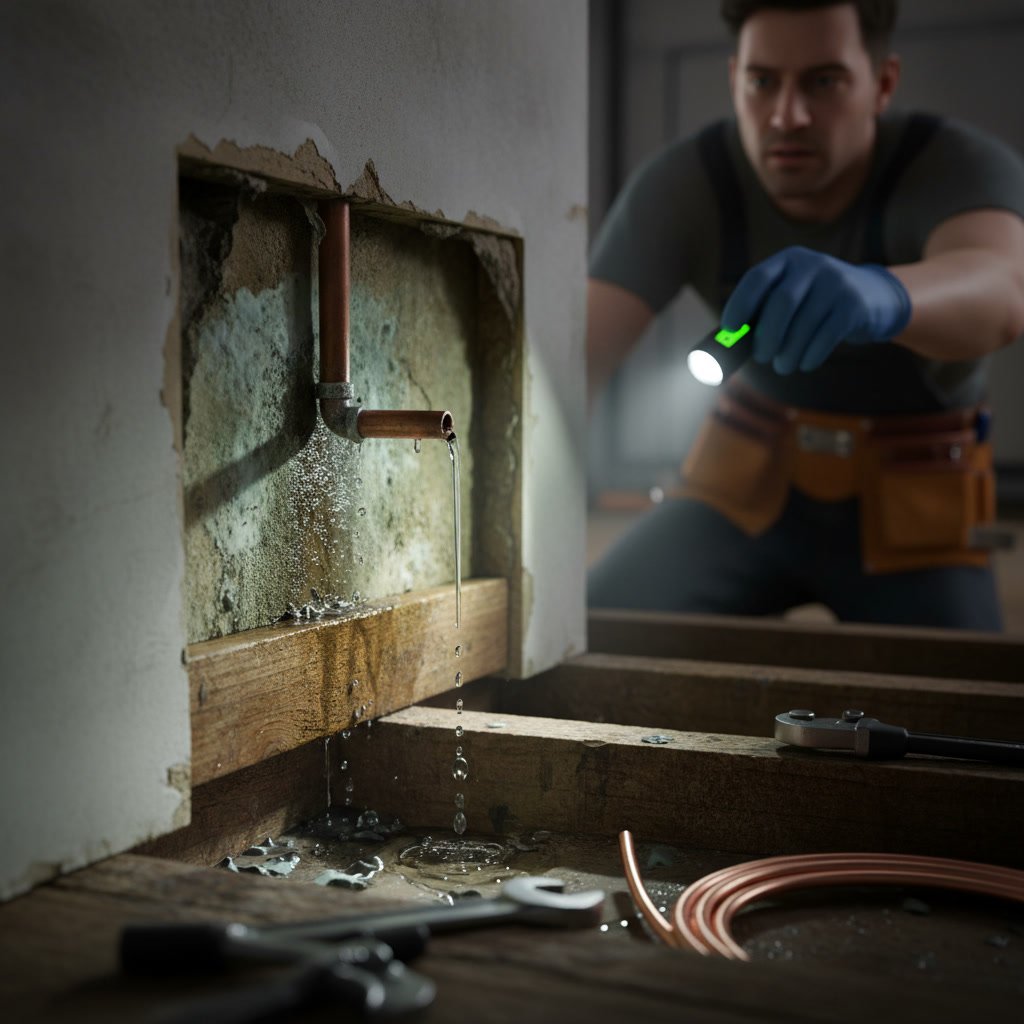
A hidden plumbing leak can waste up to 10,000 gallons of water annually in a single household, driving up utility bills and causing structural damage long before any visible signs appear. These leaks often occur behind walls, under slabs, or within pipe connections where they remain undetected until significant harm has occurred. Recognizing the early warning signs can save you thousands in repairs and prevent mold growth, foundation issues, and water damage throughout your home.
Why Hidden Leaks Are More Common Than You Think
Most plumbing systems hide behind finished walls, beneath concrete slabs, or inside crawl spaces where daily visual inspection is impossible. Pipes age, connections loosen, and water pressure fluctuations stress joints over time. Homes built more than 20 years ago face higher risk due to outdated materials like galvanized steel or early PVC formulations that degrade with exposure to minerals in local water supplies.
Florida homes face additional challenges. Hard water and mineral deposits accelerate corrosion, while soil shifts and temperature changes cause pipes to expand and contract. These conditions make regular monitoring essential for homeowners across the region.
Understanding Water Flow in Your Winter Garden Home
Your plumbing system operates under constant pressure, typically between 40 and 80 PSI. When a pipe develops even a pinhole leak, water escapes continuously, 24 hours a day. Unlike a dripping faucet you can see and turn off, a leak inside a wall or under a foundation slab runs uninterrupted until you discover the problem or it becomes catastrophic.
The average home has roughly 300 feet of pipe running through walls, floors, and ceilings. A single weak joint or corroded section anywhere along that network can compromise your entire system. Understanding how water moves through your home helps you identify irregularities before they escalate.

Unexplained Increases in Your Water Bill
Your water bill provides the clearest early warning. If consumption jumps by more than 10% compared to the same month in previous years without changes in household size or habits, suspect a leak. A leak that drips once per second wastes over 3,000 gallons annually. Faster leaks waste exponentially more.
Track your monthly usage over at least three billing cycles. Seasonal variation is normal, especially during summer when outdoor irrigation increases demand. But a steady climb without explanation warrants investigation. Many utility companies offer leak alerts if your usage suddenly spikes between meter readings.
The Water Meter Test Every Homeowner Should Know
This simple test takes 10 minutes and reveals active leaks with precision. Turn off every water-using appliance in your home: dishwasher, washing machine, ice maker, irrigation system, and all faucets. Check toilets to ensure they are not running. Locate your water meter, usually near the street or property line.
Note the current reading or watch the flow indicator, a small dial or triangle that spins when water moves through the system. Wait two hours without using any water. Return to the meter and check again. If the reading changed or the indicator moved, water is flowing somewhere in your system even though nothing is turned on. This confirms a leak exists.
For the most accurate results, conduct this test when no one is home and all automatic systems are disabled. Even a toilet with a faulty flapper can skew results, so verify all fixtures are completely off before starting.
Wet Spots, Stains, and Discoloration on Surfaces
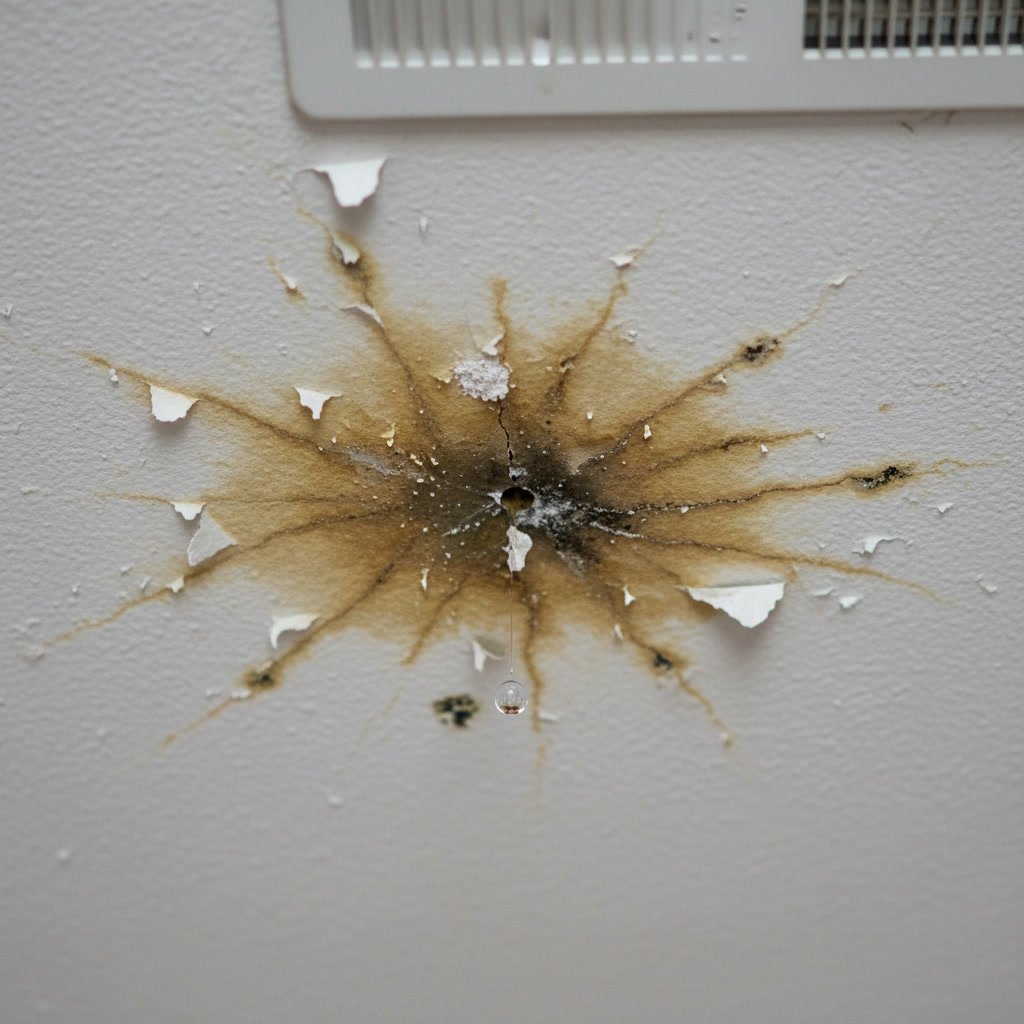
Moisture eventually travels through drywall, paint, and flooring materials when a leak persists. Look for water stains on ceilings, particularly below bathrooms or kitchens on upper floors. Brownish or yellowish rings indicate water has been seeping through for some time.
Check baseboards for warping, peeling paint, or soft spots. Run your hand along the bottom edge of walls near plumbing fixtures. Dampness or a spongy texture signals water intrusion. Vinyl or laminate flooring may bubble or lift at seams when moisture collects underneath. Carpet can develop musty odors or feel damp in isolated areas far from any obvious water source.
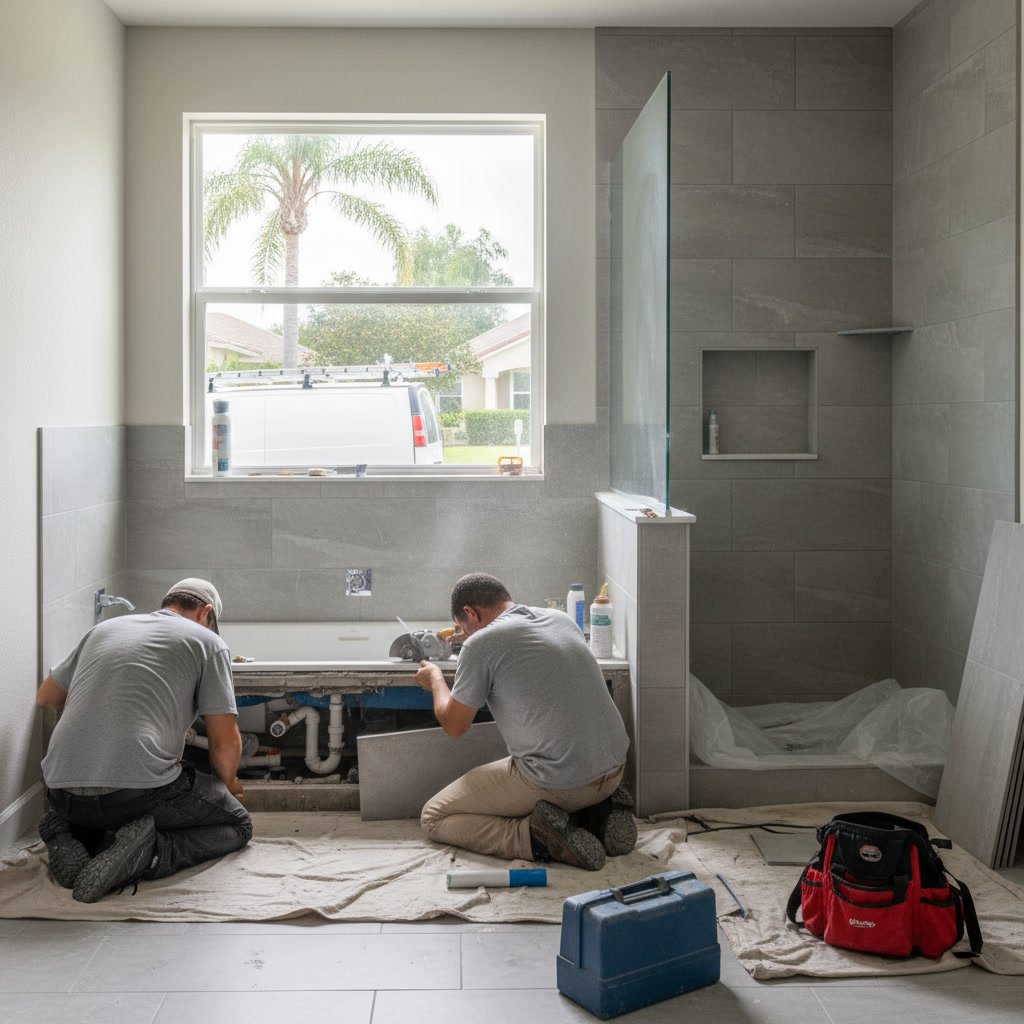
Don’t ignore discolored grout or caulk in bathrooms. Dark streaks or persistent dampness around tubs and showers often mean water is escaping through failed seals and saturating the subfloor or wall cavity behind the tile.
Mold Growth and Musty Odors
Mold thrives in dark, damp environments. A leak inside a wall or under a floor creates ideal conditions. If you notice a persistent musty smell in a specific room or area, especially near bathrooms, kitchens, or laundry rooms, investigate further. Mold growth often appears as black, green, or white patches on walls, ceilings, or in corners where moisture accumulates.
Health symptoms can also signal hidden mold caused by leaks. Residents may experience increased allergy symptoms, respiratory irritation, or headaches that improve when they leave the house. These issues warrant both a mold inspection and a thorough plumbing check.
Mold remediation without fixing the underlying leak is pointless. The moisture source must be eliminated or the problem will return. Professional plumbing repairs address the root cause, protecting both your home and your health.
Decreased Water Pressure Throughout the House
Sudden drops in water pressure often indicate a significant leak. When water escapes through a break in the line, less volume reaches your fixtures. If multiple faucets or showerheads deliver weak flow simultaneously, the issue likely lies in your main supply line or a major branch line rather than a single fixture.
Test pressure at different points throughout your home. Turn on the kitchen faucet, then check the bathroom sink. If both deliver weak flow, a leak upstream is siphoning water before it reaches the outlets. Pressure issues isolated to one fixture usually mean a clog or a problem with that specific valve, not a hidden leak.
Persistent low pressure deserves professional diagnosis. Leaks in main lines can waste hundreds of gallons daily and undermine your foundation if located near or beneath the slab.
Sounds of Running Water When Everything Is Off
Stand quietly in your home when no water is in use. Listen near walls that contain plumbing, especially in bathrooms, kitchens, and utility rooms. A hissing, dripping, or trickling sound indicates water moving through pipes or escaping from a leak.
This technique works best late at night or early morning when ambient noise is minimal. Pay close attention near water heaters, under sinks, and along exterior walls where supply lines enter the home. If you hear water running but cannot identify the source, contact a professional for acoustic leak detection.
Modern leak detection equipment uses sensitive microphones and sensors to pinpoint leaks behind walls and under slabs without invasive demolition. Professionals offering plumbing solutions can locate the exact source and recommend the least disruptive repair method.
Foundation Cracks and Shifting Soil
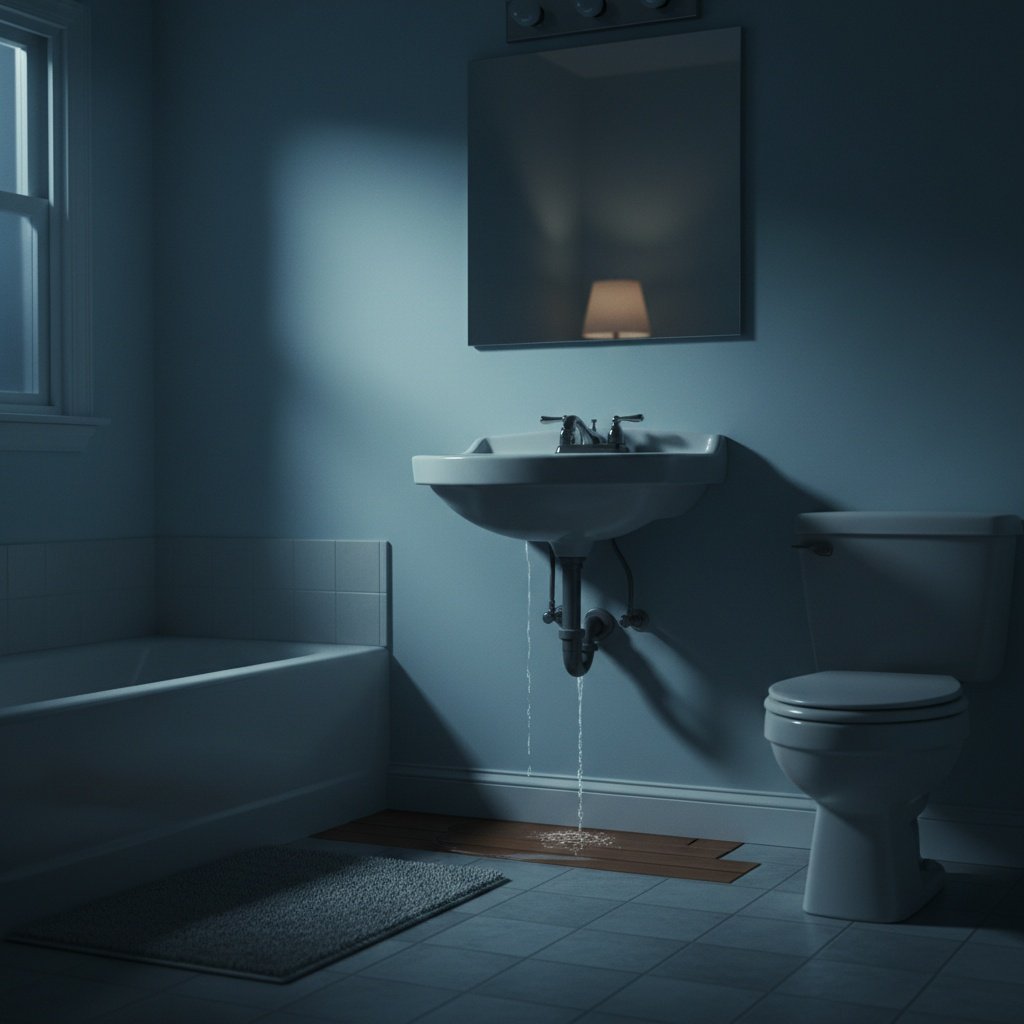
Water leaking beneath your foundation saturates the soil, causing it to expand and contract. This movement creates pressure that cracks concrete slabs and shifts footings. Inspect your foundation for new cracks, especially horizontal or stair-step patterns that widen over time.
Look for areas of your yard where grass grows unusually green or thick compared to surrounding turf. Persistent wet spots or puddles that appear even during dry weather indicate a leak in an underground supply line. Sinkholes or depressions in landscaping near water lines are also red flags.
Slab leaks are among the most serious and expensive to repair. Early detection limits damage and reduces costs. If you notice foundation issues alongside other symptoms on this list, schedule an inspection immediately. Homeowners in Windermere, Orlando, and nearby communities should prioritize foundation monitoring due to the region’s soil composition.
Higher Than Normal Humidity Indoors
A hidden leak adds moisture to your indoor air. If rooms feel muggy or windows fog up frequently despite normal weather conditions, excess humidity may be entering your home through a plumbing leak. This is especially noticeable during cooler months when you run heating rather than air conditioning.
Use a hygrometer to measure indoor humidity. Ideal levels range from 30% to 50%. Readings consistently above 60% suggest a moisture source beyond normal cooking, bathing, or weather. Prolonged high humidity damages wood, promotes mold, and stresses your HVAC system as it works harder to maintain comfort.
Addressing a leak not only stops water waste but also improves indoor air quality and reduces strain on your HVAC system. Maintaining balanced humidity protects your home and lowers energy costs.
Protecting Your Home Before Damage Escalates
Once you identify signs of a hidden plumbing leak, act quickly. Delaying repairs allows water to cause progressive damage, turning a simple pipe fix into a major renovation involving drywall replacement, mold remediation, and structural work. Document all symptoms with photos and notes, including dates when you first noticed each issue.
Turn off water to affected areas if possible. Locate your main shut-off valve so you can stop water flow entirely in an emergency. This valve is usually near your water meter or where the main line enters your home. Make sure everyone in your household knows its location.
Professional plumbers use thermal imaging cameras, acoustic sensors, and pressure testing to locate leaks without unnecessary demolition. These technologies save time and reduce repair costs by targeting the exact problem area. Complete Home Solutions provides comprehensive leak detection and repair services throughout the region, helping homeowners address issues before they escalate into costly disasters.
If you’ve noticed any of these warning signs in your home, don’t wait for the problem to worsen. Early intervention protects your property, your budget, and your peace of mind. Reach out to Complete Home Solutions at 4073053305 to schedule a thorough inspection and get expert solutions tailored to your home’s specific needs.