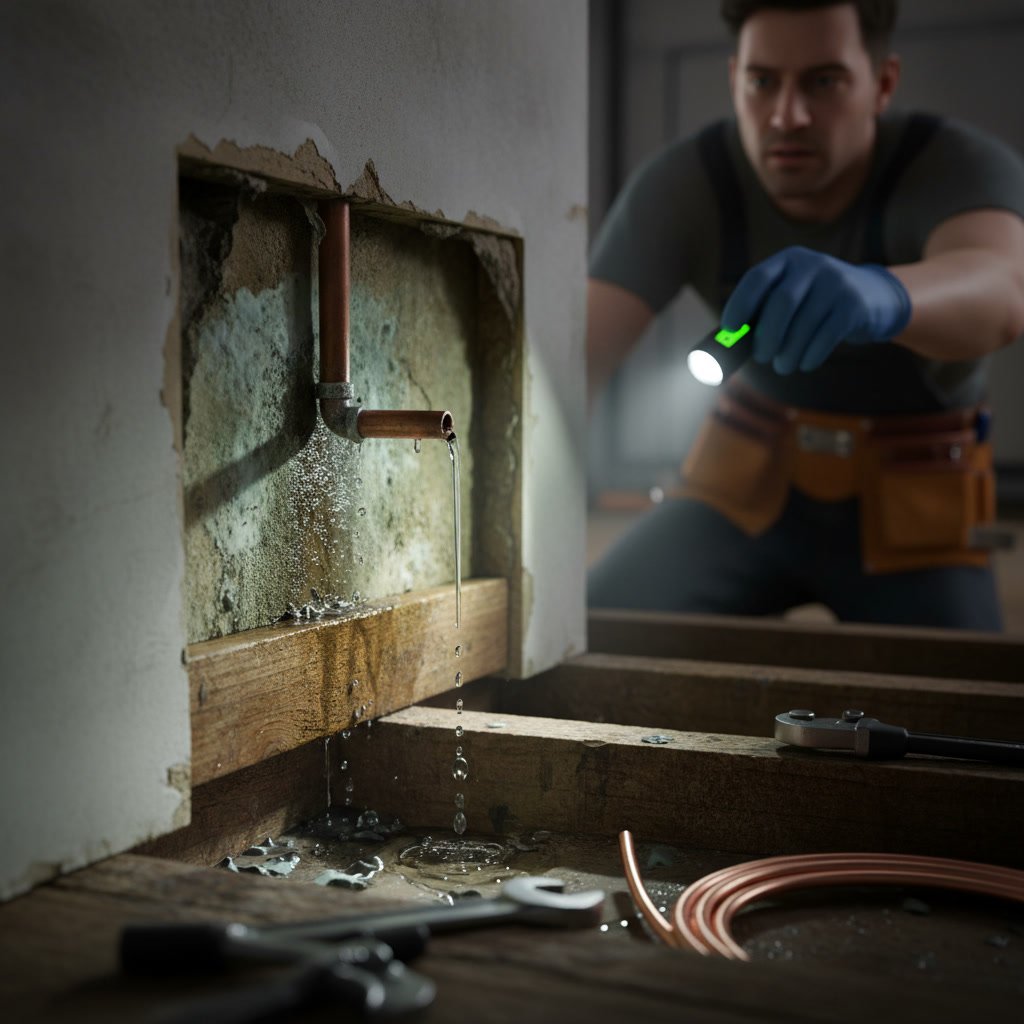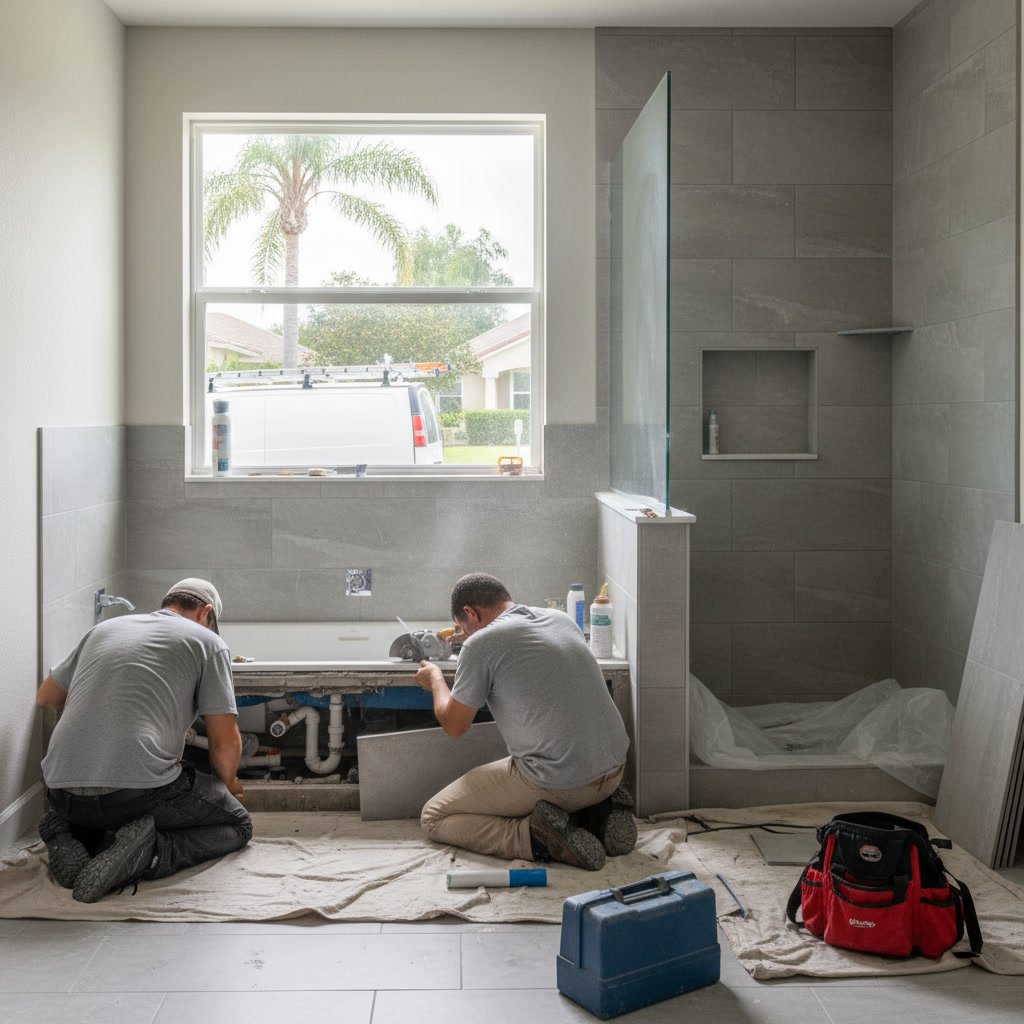
A failing wax ring under your toilet can cause hidden water damage long before you notice obvious signs. The wax ring creates a watertight seal between the toilet base and the drain pipe, and when it deteriorates, water seeps onto your subfloor with every flush. Detecting a toilet wax ring leaking early saves you from costly floor repairs, mold growth, and structural damage. The good news is that several clear warning signs can help you identify this problem before it escalates.
Why the Wax Ring Matters More Than You Think
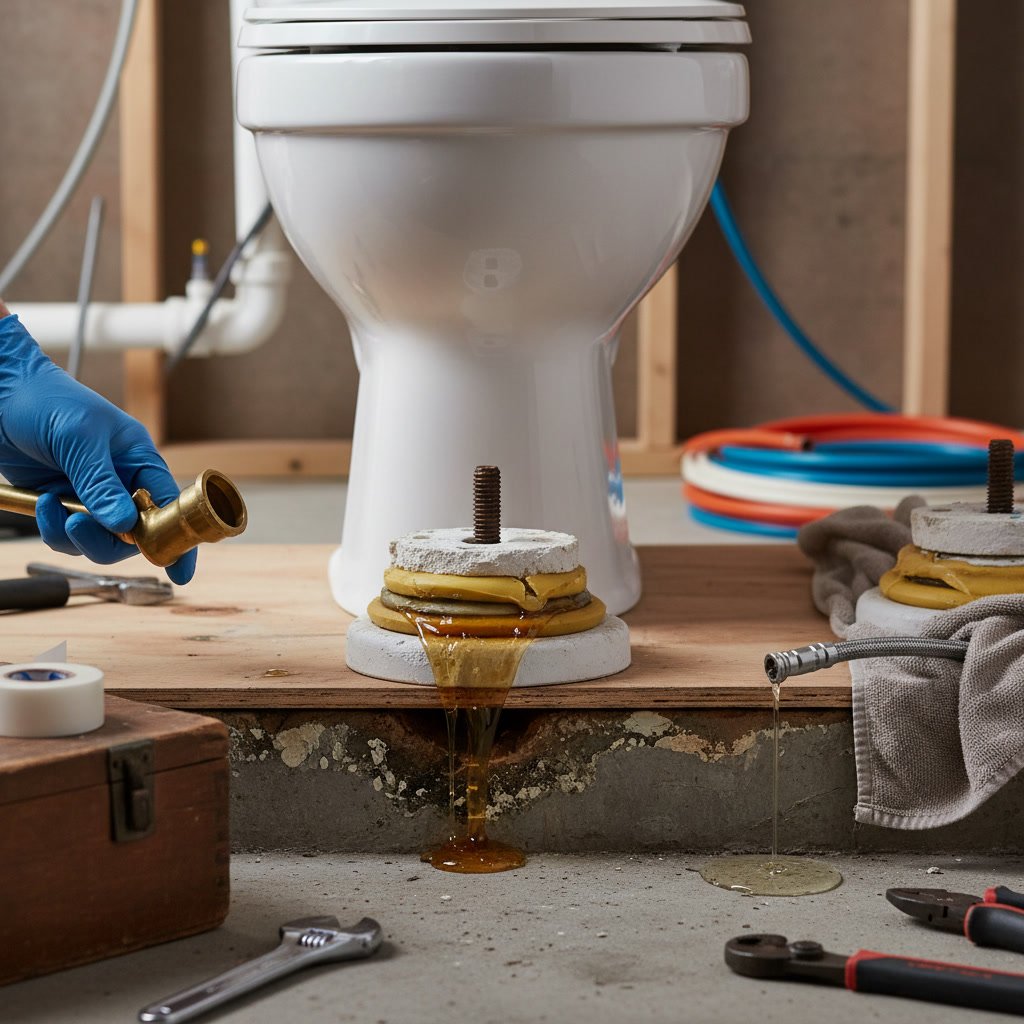
The wax ring sits compressed beneath your toilet, forming the only barrier preventing wastewater from escaping into your bathroom floor. This simple component bears the weight of the toilet and endures constant exposure to water, pressure changes, and temperature fluctuations. Most wax rings last 20 to 30 years under normal conditions, but several factors can shorten that lifespan dramatically.
Toilets that rock or shift even slightly will compress the wax unevenly, creating gaps where water escapes. Improper installation, floor settling, or a toilet that was removed and reinstalled without replacing the ring all contribute to premature failure. Once the seal breaks, every flush sends a small amount of water beneath the toilet, saturating wood subfloors and creating an environment where mold thrives.
The Water Stain Test Around Your Toilet Base
Water stains or discoloration on the floor around the toilet base are often the first visible sign of a leak. These stains may appear as darkened areas on tile grout, yellow or brown marks on linoleum, or warped sections on vinyl flooring. Wood floors may show cupping, buckling, or soft spots near the toilet perimeter.
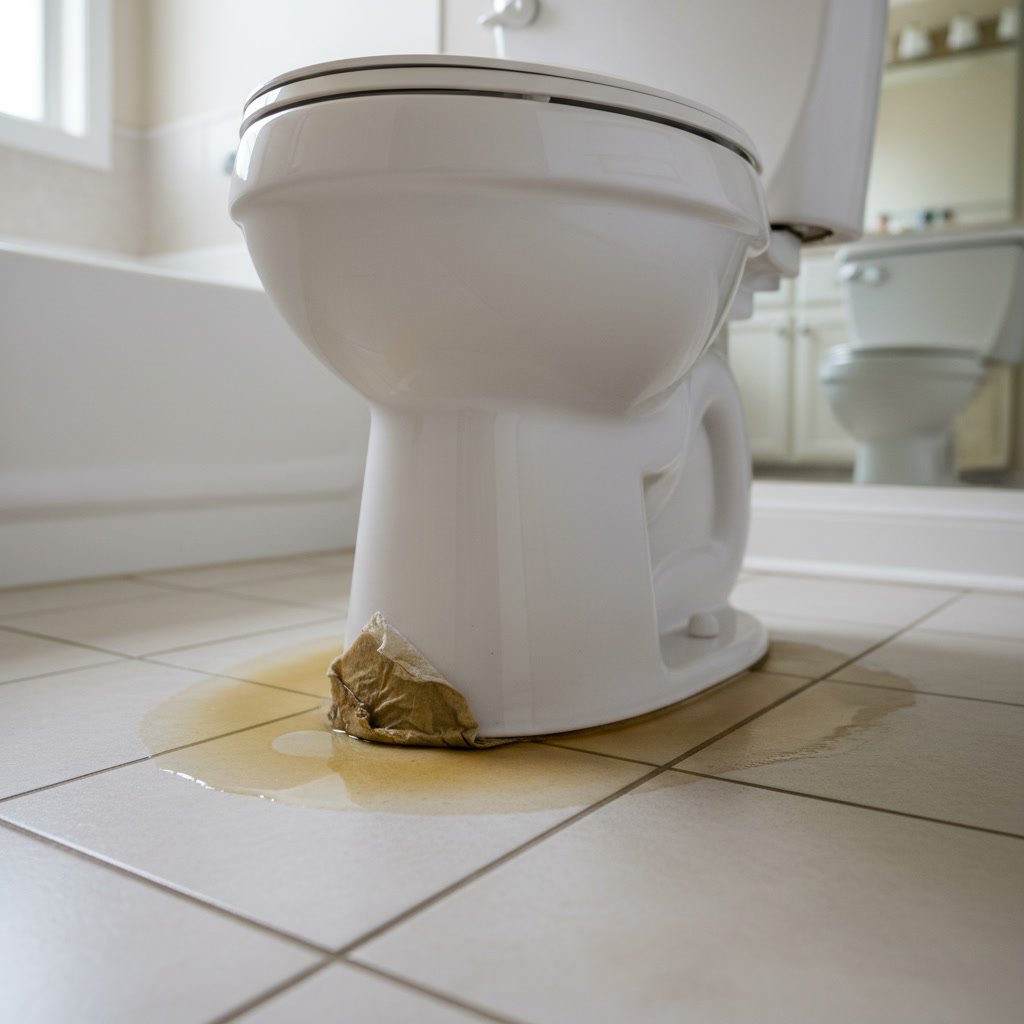
Check the entire circumference of the toilet base, paying special attention to the back and sides where water tends to pool first. If you notice persistent dampness even when the bathroom has been dry for hours, the source is likely beneath the toilet itself. Professional plumbing repairs can address the issue before the damage spreads to joists and subfloor layers.
Detecting Odors That Signal Sewer Gas Escape
A compromised wax ring allows sewer gases to escape into your bathroom, creating a persistent foul odor that intensifies after flushing. This smell resembles sulfur or rotten eggs and lingers even after thorough cleaning. Unlike temporary odors from drains or traps, this smell originates directly from the broken seal at the toilet base.
Sewer gas contains methane and hydrogen sulfide, both of which pose health risks in enclosed spaces. If you detect this odor consistently in your bathroom, especially near the floor level around the toilet, the wax ring has likely failed. The smell may be more pronounced during humid weather or after periods of heavy toilet use.
How to Identify a Rocking or Unstable Toilet in Winter Garden
A toilet that rocks, shifts, or feels unstable when you sit on it often indicates that the wax seal has compressed unevenly or that the flange beneath has deteriorated. This movement breaks the watertight seal, allowing water to leak with every flush. Test stability by sitting on the toilet and gently shifting your weight from side to side.
Even a quarter-inch of movement can compromise the seal. Tightening the bolts that secure the toilet to the floor may temporarily reduce rocking, but if the wax ring has already failed, this fix will not stop the leak. In Winter Garden homes with settling foundations or older plumbing systems, this issue appears more frequently as houses age and shift over time.
The Ceiling Stain Indicator for Multi-Story Homes
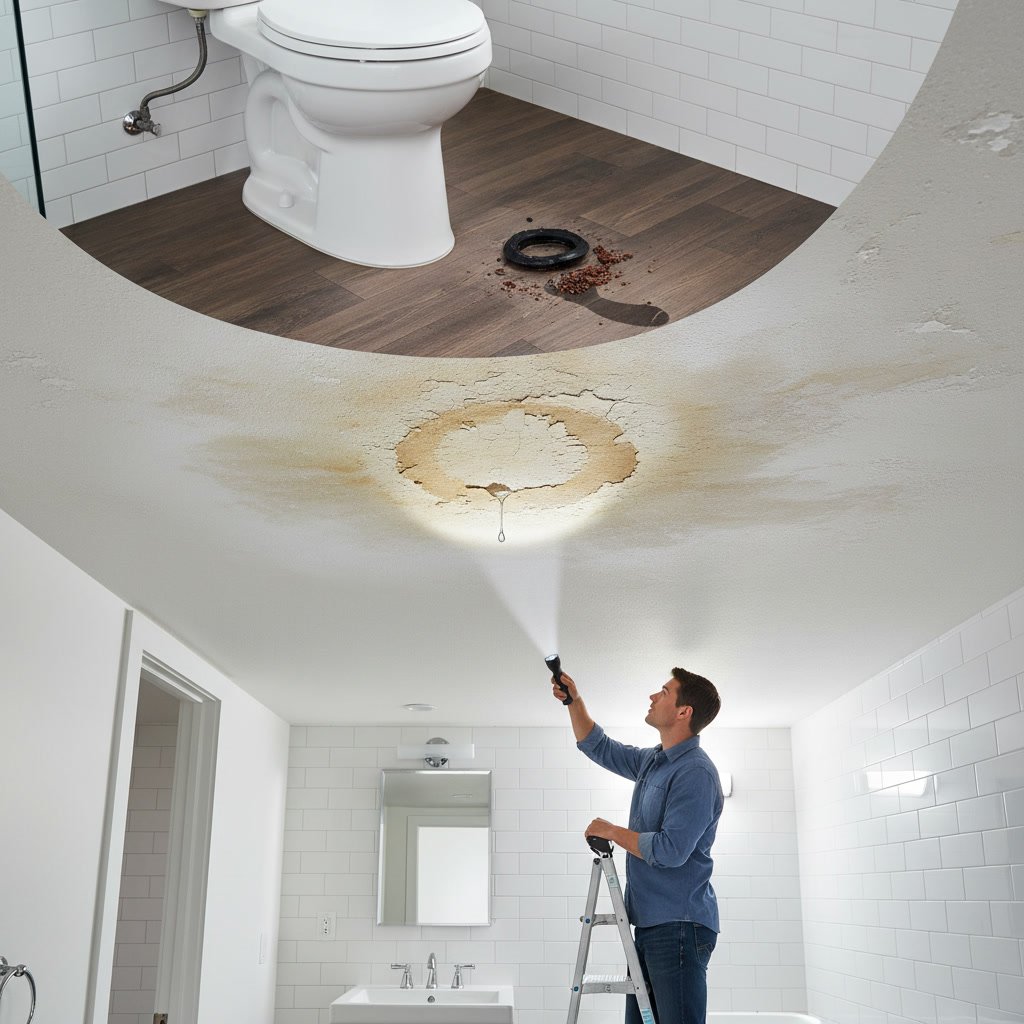
If your toilet sits on an upper floor, check the ceiling directly below for water stains, sagging drywall, or visible drips. A leaking wax ring on a second-floor bathroom will send water through the subfloor and into the ceiling of the room below. These stains often appear as yellow or brown rings that expand over time.
Ceiling damage from a toilet leak progresses quickly because water travels along joists and spreads across a wide area before dripping through. By the time you see ceiling stains, significant hidden damage has likely occurred in the floor structure above. Similar to issues outlined in hidden plumbing leaks, this type of damage requires immediate professional assessment.
Step-by-Step Visual Inspection You Can Perform Today
Start by removing any caulk or sealant around the base of the toilet. Many installers caulk the entire perimeter, which traps water beneath the toilet and hides leaks until major damage occurs. The back of the toilet base should remain uncaulked to allow water to escape visibly if a leak develops.
Next, dry the floor around the toilet completely and place paper towels or toilet paper in a ring around the base. Flush the toilet several times and wait 10 minutes. Check the paper for dampness. If it is wet, water is escaping from beneath the toilet during each flush.
Inspect the closet bolts that secure the toilet to the floor. If these bolts show rust, corrosion, or mineral deposits, water has been seeping past them for some time. Finally, press firmly on the floor around the toilet base. Any soft, spongy, or flexing areas indicate water damage to the subfloor beneath.
When Mold and Mildew Appear Near the Toilet
Mold growth around the toilet base, especially in areas that should remain dry, signals chronic moisture exposure. Black, green, or pink mold may appear along grout lines, under the toilet rim, or on the wall behind the toilet. This growth thrives in the damp, dark environment created by a slow leak from a failing wax ring.
Surface cleaning removes visible mold but does not address the moisture source. If mold reappears within days of cleaning, an active leak is feeding the growth. Prolonged exposure to mold spores can trigger respiratory issues and allergic reactions, making prompt repair essential for both property protection and health.
Subfloor Damage and Structural Concerns
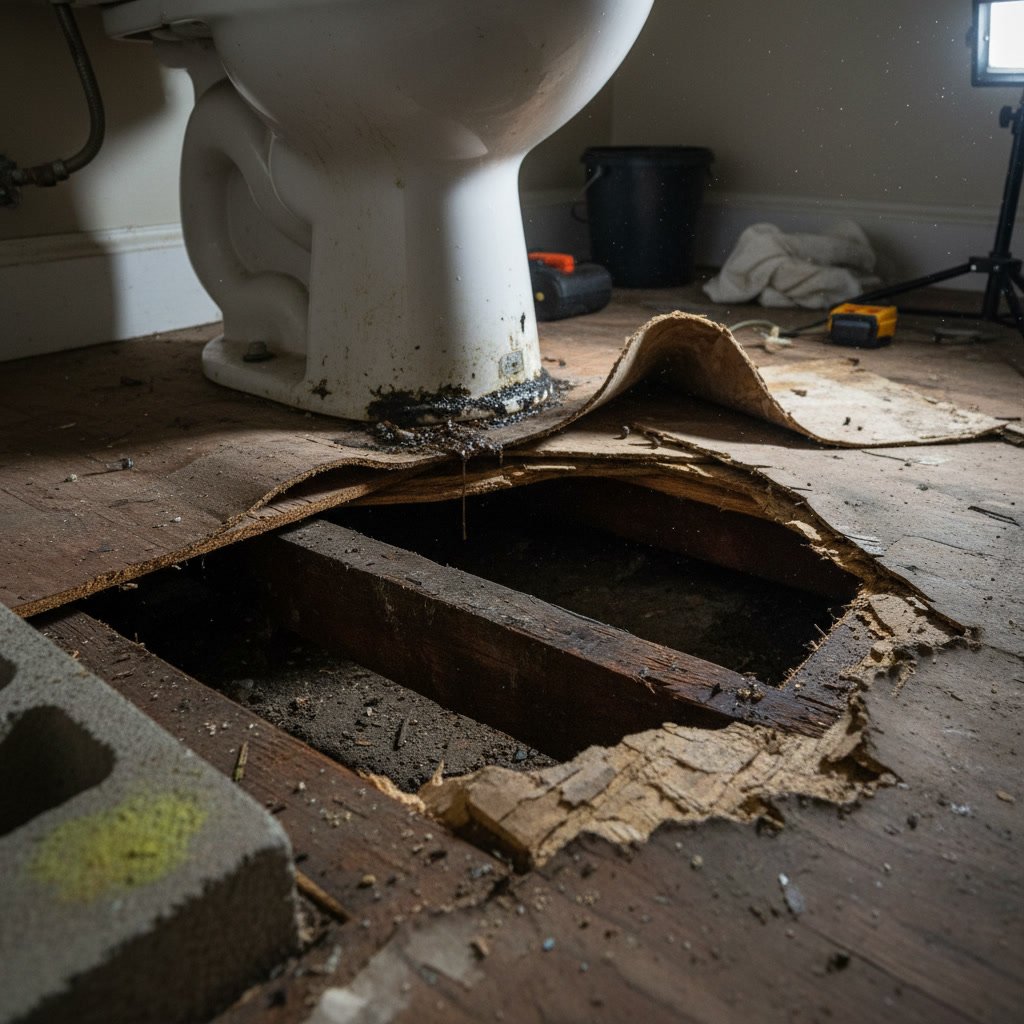
Extended leaks from a compromised wax ring saturate the plywood or particleboard subfloor beneath your toilet. This saturation weakens the material, causing it to swell, delaminate, and eventually rot. In severe cases, the toilet flange separates from the subfloor entirely, creating a major plumbing emergency.
You may notice the floor feels soft or unstable around the toilet, or that the toilet sits lower than it did previously. These symptoms indicate advanced subfloor damage that requires not only wax ring replacement but also subfloor repair or replacement. Addressing these issues promptly prevents damage from extending to floor joists, which significantly increases repair costs.
Professional plumbing installation ensures that both the wax ring and any damaged structural components are properly addressed. Homeowners who have recently noticed other plumbing issues may benefit from reading about what happens during a professional plumbing inspection to understand the full scope of potential problems.
Tile and Grout Deterioration Patterns
Ceramic or porcelain tile around the toilet may crack, pop up, or become loose as water infiltrates the subfloor. Grout lines often crumble or darken as moisture wicks through them. These signs indicate that water has been present long enough to compromise the adhesive bond beneath the tile.
Loose tiles near the toilet base will shift or sound hollow when tapped. This damage rarely resolves on its own and typically worsens as the leak continues. Replacing the wax ring stops further water intrusion, but repairing tile and grout requires removing affected sections and ensuring the subfloor has dried completely before reinstallation.
Understanding Toilet Flange and Bolt Corrosion
The toilet flange is the metal or plastic ring that secures the toilet to the drainpipe and floor. When water leaks from the wax ring, it corrodes metal flanges and degrades plastic ones. Corroded flanges cannot hold the toilet bolts securely, allowing the toilet to rock and exacerbating the leak.
Inspect the closet bolts for rust or breakage. If the bolts snap when you attempt to tighten them, the flange itself may be compromised. Flange repair or replacement must occur before installing a new wax ring, as a damaged flange will cause the new seal to fail prematurely. This repair often requires cutting into the floor to access the drainpipe, making it a job best left to experienced professionals.
Protecting Your Home From Future Leak Damage
Once you identify a leaking wax ring, swift action prevents minor damage from becoming a major repair project. Toilet leaks account for significant water waste and can compromise your home’s structural integrity over months or years. Replacing the wax ring, inspecting the flange, and repairing any subfloor damage restores the seal and protects your investment.
Regular visual inspections every six months help catch leaks early. Avoid using excessive force when sitting on the toilet, and never allow the toilet to rock or shift. If you need to remove the toilet for any reason, always replace the wax ring before reinstalling it, even if the old ring appears intact. Wax rings are inexpensive compared to the cost of water damage repair.
Complete Home Solutions provides comprehensive toilet installation and repair services throughout the area, ensuring your bathroom plumbing functions reliably for years to come. Our experienced team handles everything from simple wax ring replacement to complete subfloor reconstruction, delivering honest, transparent service on every project.
If you have noticed any of the warning signs described above, do not wait for the damage to worsen. Reach out to Complete Home Solutions at 4073053305 to schedule an inspection and get your toilet leak resolved quickly and professionally.