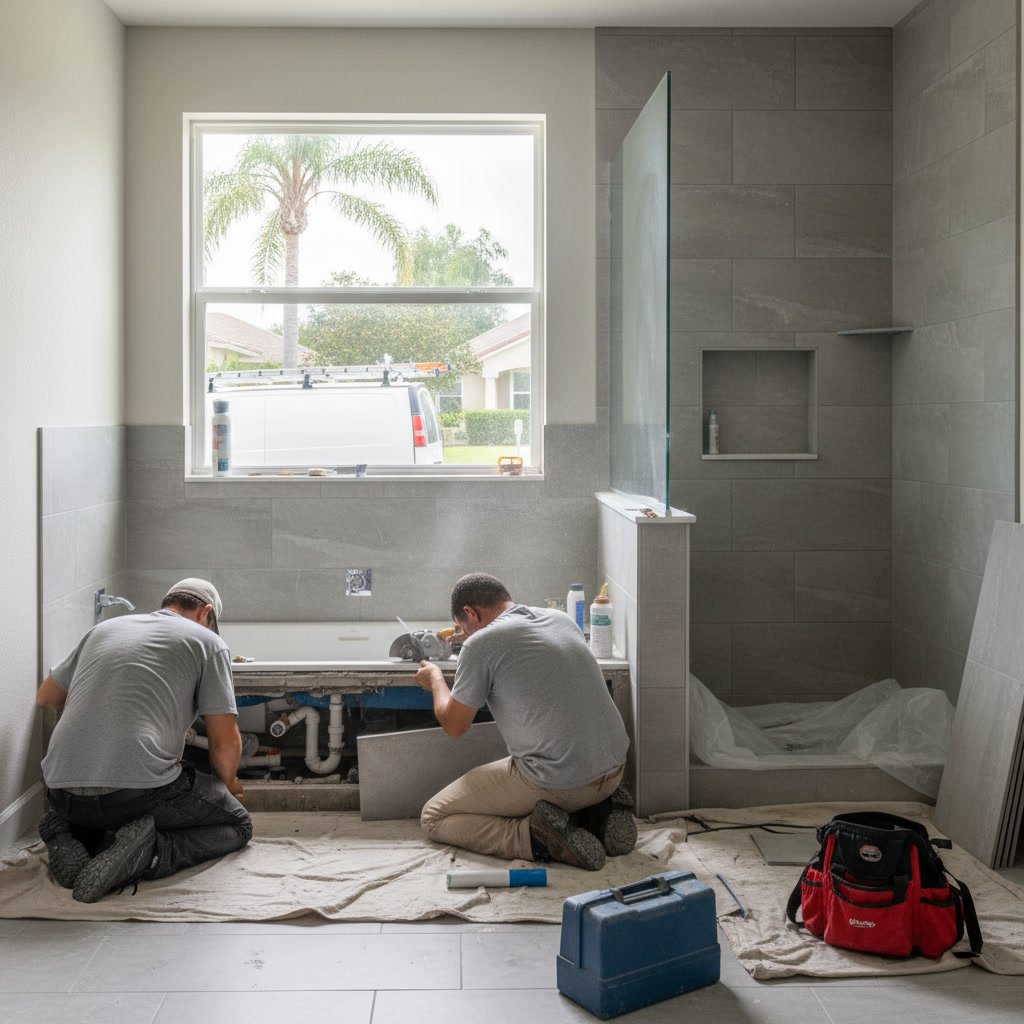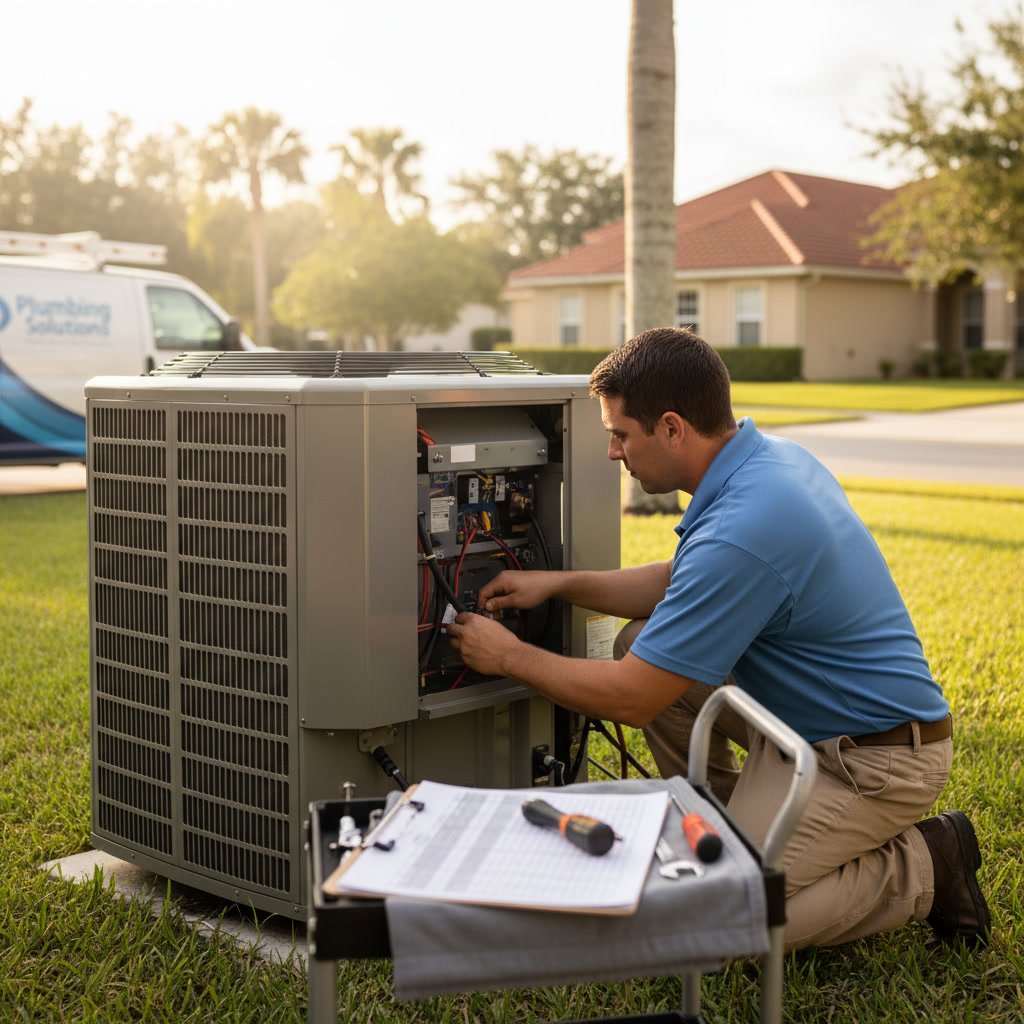
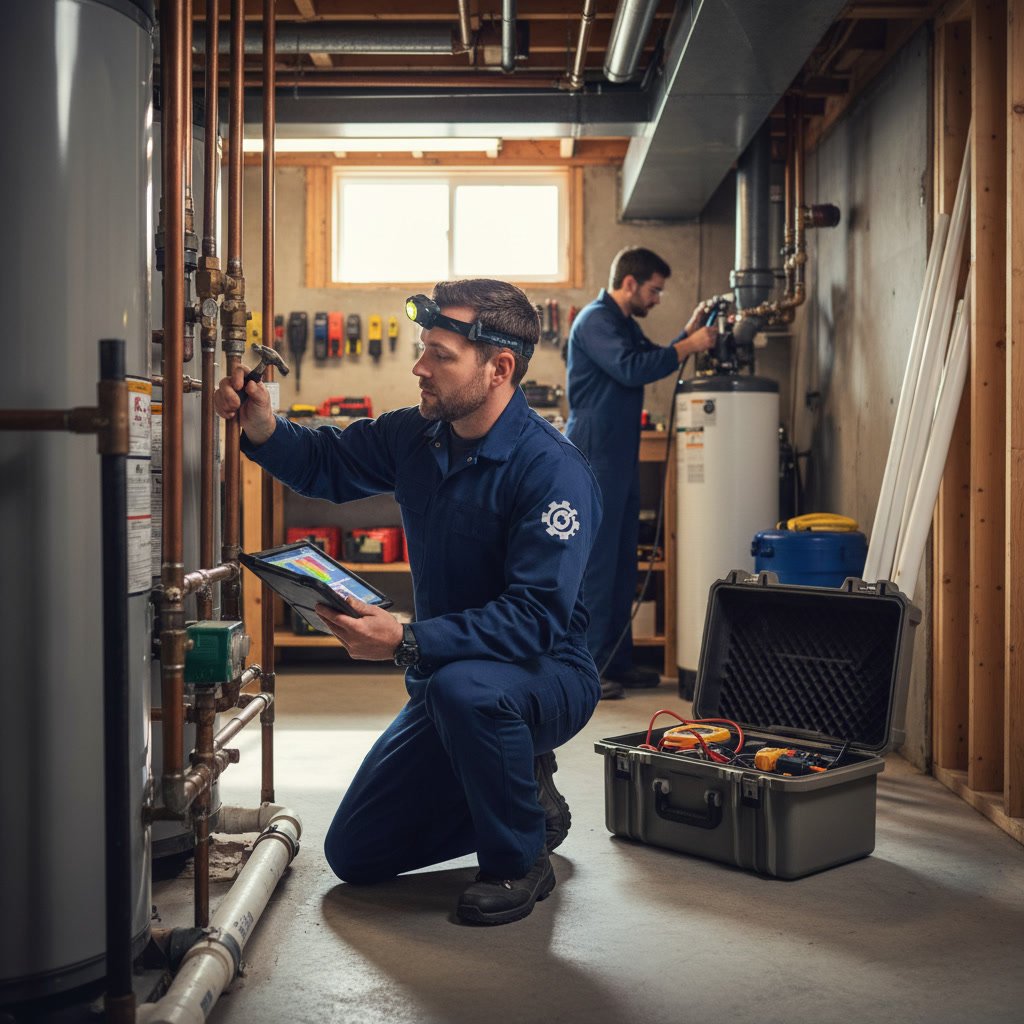
A professional plumbing inspection thoroughly examines your home’s water supply, drainage systems, and fixtures to identify current problems and potential issues before they become expensive emergencies. During this comprehensive review, a licensed plumber tests water pressure, checks for leaks, inspects pipes and connections, and evaluates the condition of your water heater and other critical components. Most inspections take between 60 and 90 minutes, depending on your home’s size and plumbing complexity.
Why Regular Inspections Matter for Your Home
Small plumbing problems rarely stay small. A minor leak behind a wall can cause thousands of dollars in water damage before you notice visible signs. Regular inspections catch these hidden issues early, when repairs are simple and affordable. Many insurance claims for water damage stem from problems that could have been identified during a routine inspection.
Beyond preventing damage, inspections help maintain your home’s value. When you eventually sell, a recent inspection report demonstrates to buyers that the plumbing system has been professionally maintained. This transparency builds trust and can prevent last-minute negotiations over unexpected plumbing issues discovered during a buyer’s inspection.
When You Should Schedule an Inspection in Winter Garden
Certain situations call for immediate professional attention. If you’re buying a home, an inspection before closing reveals existing problems that the seller should address. Homes older than 15 years benefit from annual inspections, as pipes, fixtures, and connections naturally wear over time.
You should also schedule an inspection if you notice warning signs like reduced water pressure, slow drains, discolored water, unusual sounds from pipes, or unexplained increases in your water bill. These symptoms often indicate underlying problems that worsen rapidly without intervention. Complete Home Solutions serves homeowners throughout Winter Garden and surrounding communities with thorough inspection services.
The Initial Visual Assessment
Every inspection begins with a visual walk-through of accessible plumbing areas. The plumber examines exposed pipes under sinks, in basements, and in utility rooms, looking for corrosion, mineral deposits, improper slope in drain lines, and amateur repairs that don’t meet code. They check the spacing and security of pipe supports, as unsupported pipes can develop leaks at joints.
This visual phase also includes checking all visible fixtures. The inspector tests faucets, showerheads, and outdoor spigots for proper operation and flow. They look for stains around fixtures that suggest past or present leaks. Cabinet interiors get special attention, as these dark spaces often hide slow drips that cause mold growth before homeowners notice.
Water Pressure and Flow Rate Testing
Proper water pressure is essential for fixtures to work correctly. Too low, and showers are weak and appliances don’t fill properly. Too high, and pipes experience excessive stress that shortens their lifespan and increases leak risk. Inspectors use pressure gauges to measure static pressure at multiple locations throughout your home.
The ideal residential water pressure ranges from 45 to 65 psi. Pressure above 80 psi requires a pressure-reducing valve to protect your plumbing system. The inspector also measures flow rates at various fixtures to identify restrictions caused by mineral buildup, partially closed valves, or undersized piping. These measurements provide objective data about your system’s performance.
Drain and Sewer Line Evaluation
The drain system removes wastewater efficiently when functioning properly, but clogs and damage often develop gradually. Inspectors test every drain in your home, watching how quickly water flows and listening for gurgling sounds that indicate venting problems or partial blockages downstream.
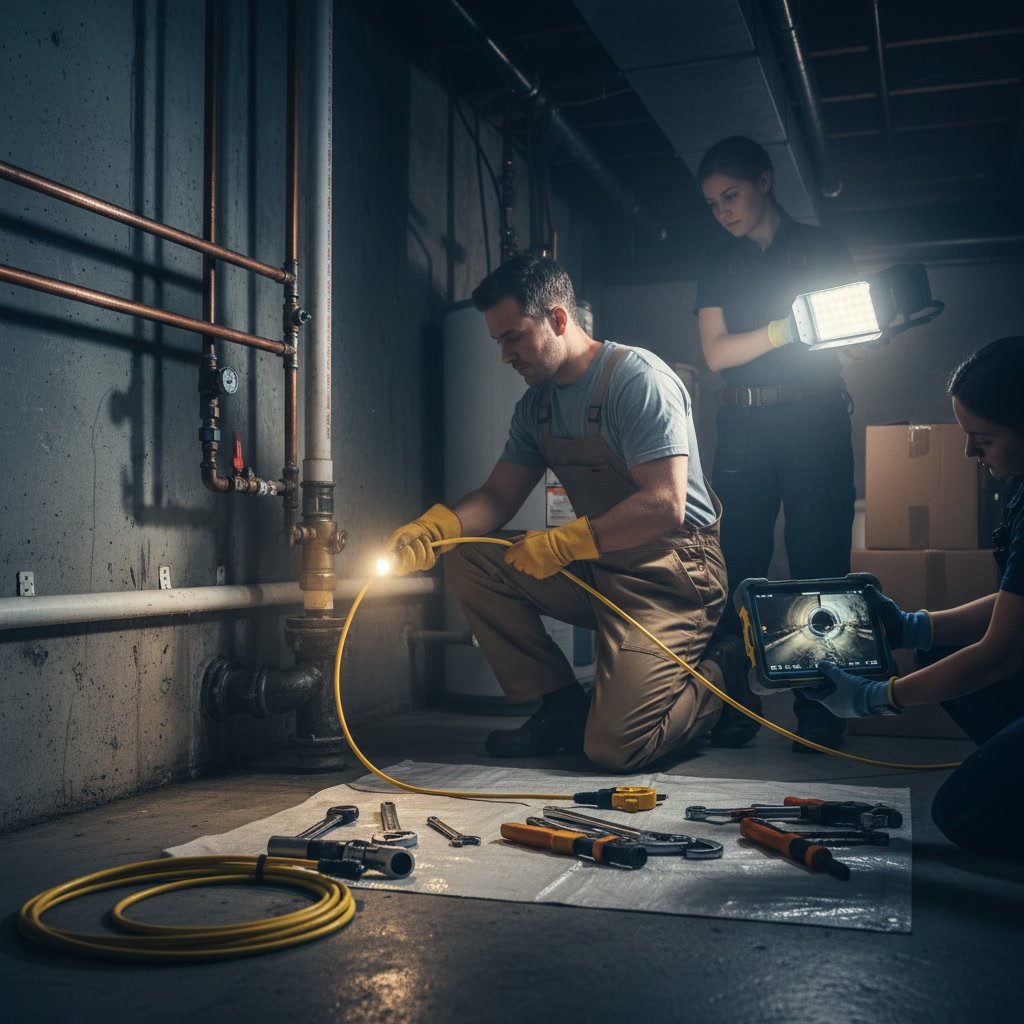
For homes with recurring drain issues or properties built before 1980, camera inspection of the main sewer line provides invaluable information. A small waterproof camera travels through the pipe, revealing tree root intrusion, cracks, bellied sections where water pools, and deteriorating pipe materials. This technology identifies problems before a complete sewer backup occurs, giving you time to plan and budget for repairs through services like plumbing repairs.
Water Heater and Tank Inspection Process
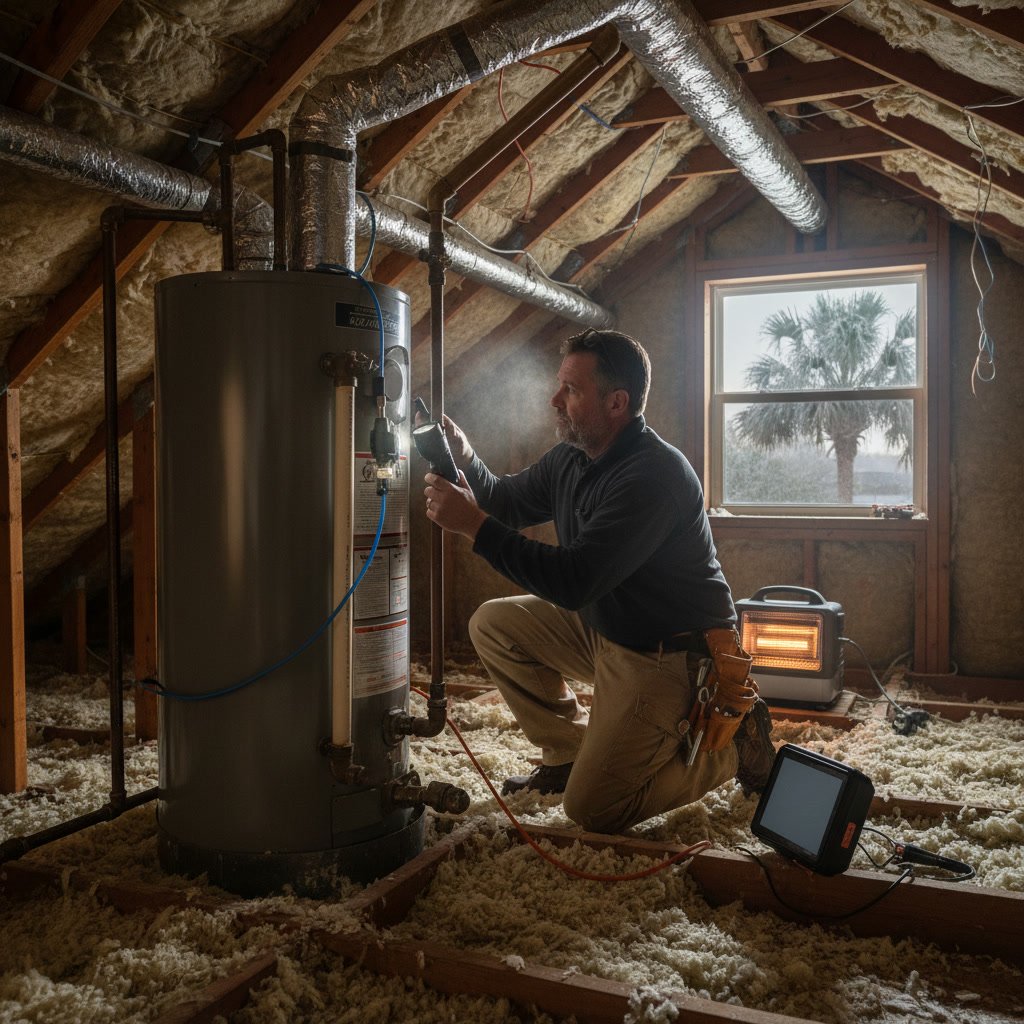
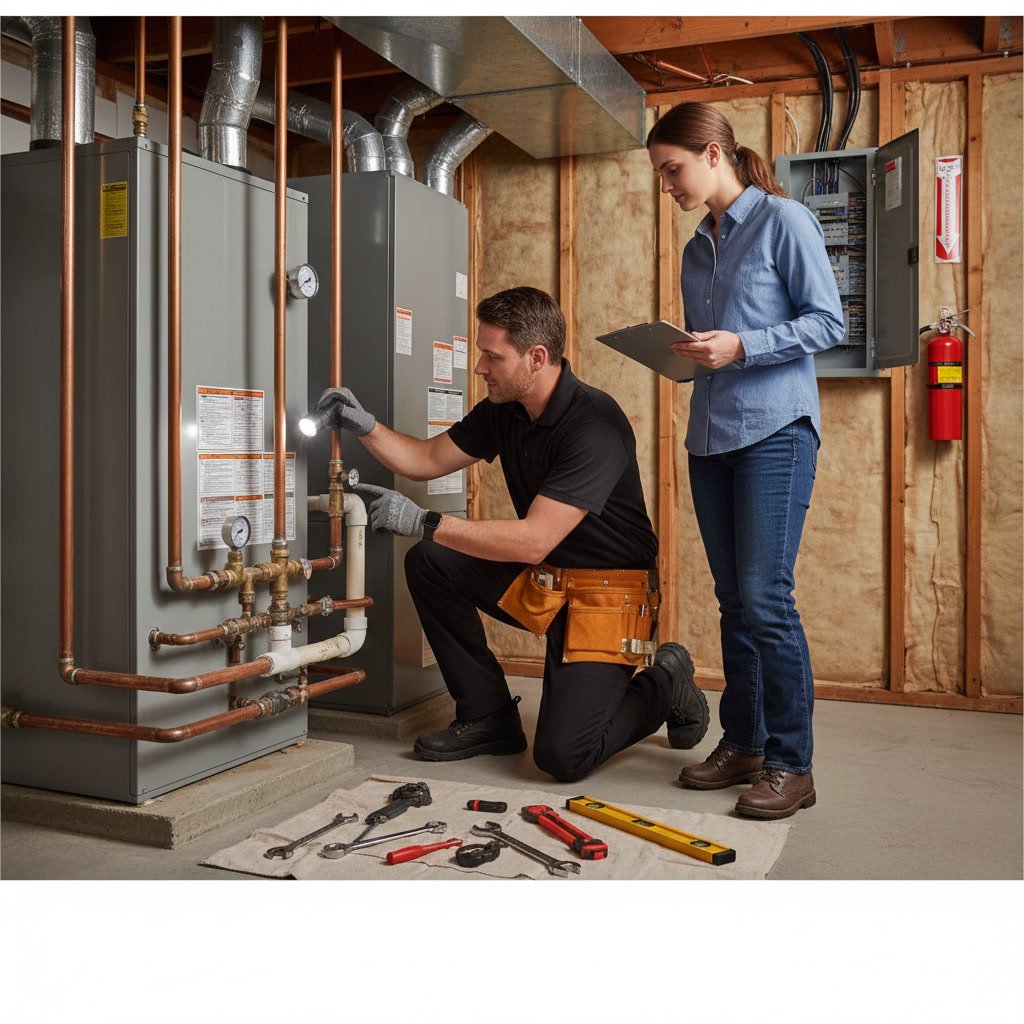
Your water heater works hard every day, and problems here affect your entire household. Inspectors check the temperature setting, which should be between 120 and 140 degrees Fahrenheit for safety and efficiency. They examine the pressure relief valve, a critical safety device that prevents dangerous pressure buildup.
The inspection includes looking for corrosion on the tank exterior, testing the drain valve for proper operation, and checking anode rod condition on traditional tank units. Sediment buildup in the tank bottom reduces efficiency and shortens the heater’s life. Inspectors listen for popping or rumbling sounds that indicate significant sediment accumulation. If your water heater shows signs of aging or inefficiency, you might benefit from information about what to expect for replacement costs.
Fixture and Connection Examination
Every connection point in your plumbing system is a potential leak location. Inspectors check supply line connections to toilets, sinks, dishwashers, washing machines, and refrigerator ice makers. They look for braided stainless steel supply lines that have passed their recommended service life, typically 10 years.
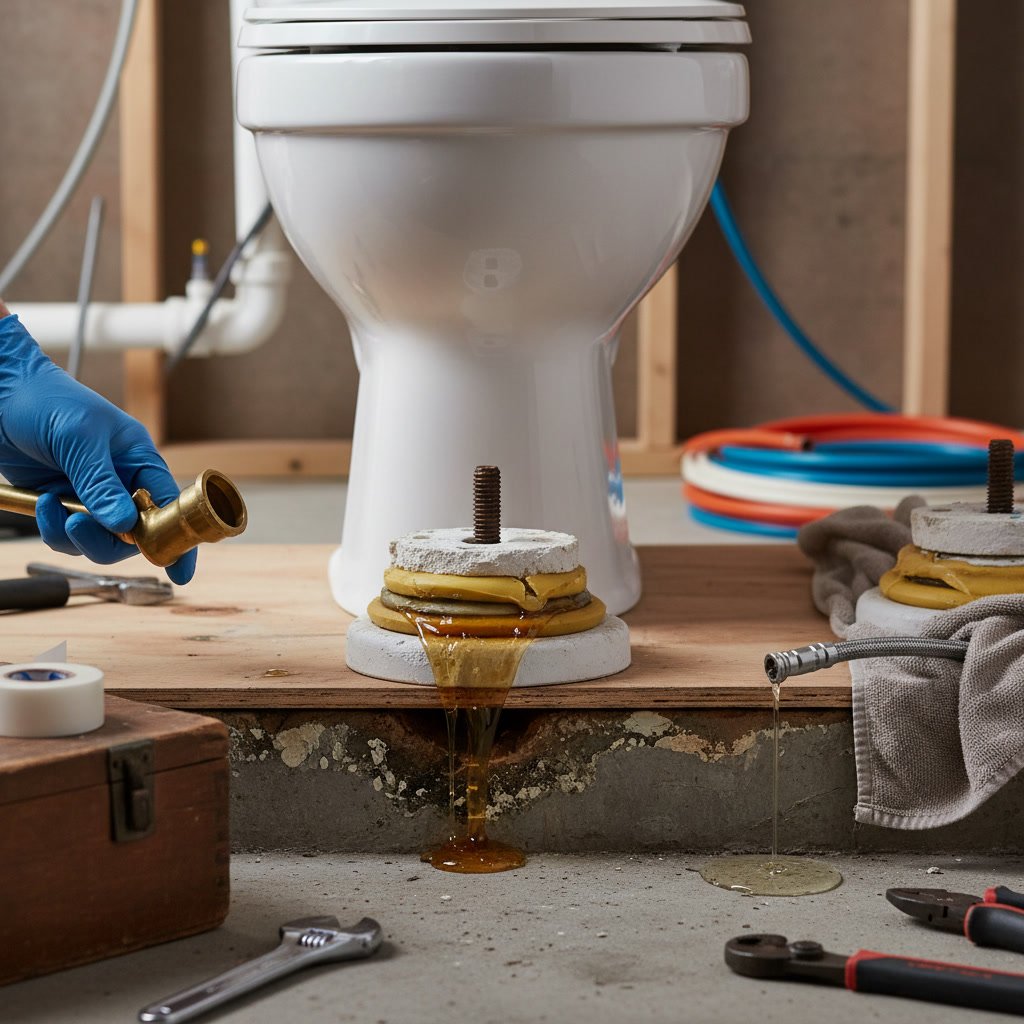
Toilet inspections go beyond visible components. The inspector checks for proper seating on the wax ring, tests the fill valve and flapper for wear, and rocks the toilet to detect loose mounting bolts. A toilet that moves even slightly will eventually break the wax seal and leak onto your subfloor. Addressing these issues promptly through professional fixture services prevents costly floor damage.
Hidden Leak Detection Techniques
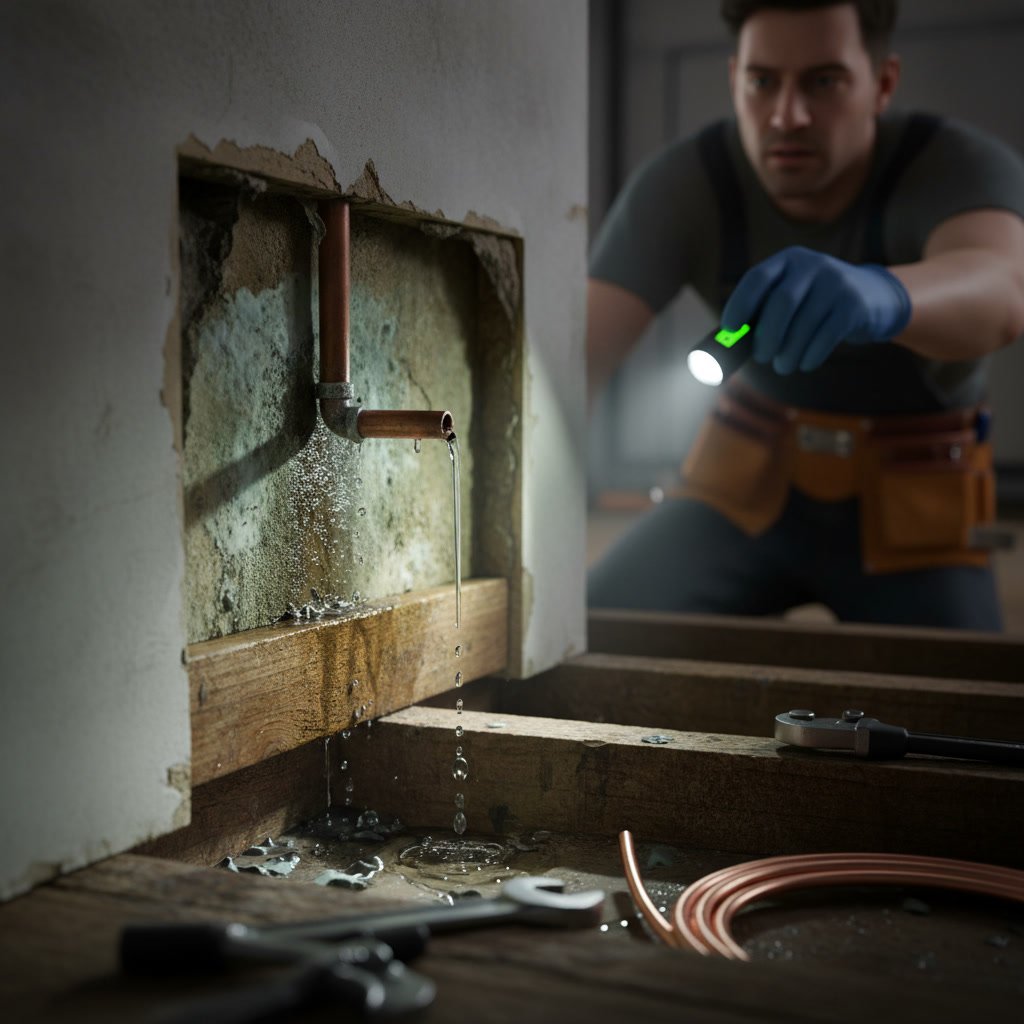
The most damaging leaks happen behind walls, under slabs, or in other concealed spaces. Professional inspectors use specialized equipment to find these hidden problems. Moisture meters detect elevated moisture levels in walls and floors, indicating active leaks. Infrared cameras reveal temperature differences that show where water is escaping or accumulating.
Here’s a professional insight most homeowners don’t know: inspectors perform a static pressure test by recording your water meter reading, ensuring no water is being used anywhere in the house for 30 minutes, then checking the meter again. Any movement indicates a leak somewhere in the system, even if you can’t see or hear it. This simple test has saved countless homeowners from major damage by catching leaks in their earliest stages.
Code Compliance and Safety Checks
Plumbing codes exist to protect health and safety. Inspectors verify that your system meets current standards, even if it was installed under older codes. They check for proper venting on drain lines, which prevents sewer gases from entering your home. They confirm backflow prevention devices are installed where required to keep contaminated water from flowing backward into the clean water supply.
The inspection also identifies amateur repairs or modifications that create hazards. Common violations include incorrect pipe materials for specific applications, improper drain slopes, missing access panels, and cross-connections between potable and non-potable water sources. Correcting these issues protects your family and ensures your home meets standards if you sell.
Understanding Your Inspection Report
After completing the physical inspection, the plumber compiles findings into a detailed report. This document categorizes issues by urgency: immediate concerns requiring prompt repair, items to monitor or address within the next year, and routine maintenance recommendations. The report includes photographs of problem areas and specific descriptions of each issue’s location and nature.
A quality report also provides repair priority guidance based on safety risks and potential damage. For example, a water heater near failure gets higher priority than a slow bathroom drain. The report becomes a valuable planning tool, helping you budget for necessary repairs and schedule work logically. Keep this documentation with your home maintenance records for future reference and to share with buyers when you eventually sell.
Protecting Your Investment Through Professional Service
Regular plumbing inspections represent preventive maintenance that protects one of your largest investments. The cost of an inspection is minimal compared to emergency repairs for burst pipes, sewer backups, or water heater failures. Most homeowners who experience major plumbing disasters say the same thing: they wish they had caught the problem earlier.
Professional inspectors bring experience that allows them to spot problems the average homeowner misses. They understand how different components interact and can predict which worn parts will fail soon. This expertise, combined with specialized tools and testing equipment, provides a level of thoroughness impossible to achieve on your own. Complete Home Solutions delivers comprehensive plumbing solutions backed by licensed professionals who understand local conditions and common issues in Central Florida homes.
Whether you’re maintaining your current home or evaluating a potential purchase, a professional inspection provides the information you need to make informed decisions about your plumbing system. The detailed assessment reveals exactly what’s working well and what needs attention, eliminating guesswork and surprise expenses. For thorough inspections and honest recommendations throughout the Windermere area, contact our team at 4073053305 to schedule your appointment.