Florida’s heat and humidity put tremendous stress on your cooling and heating systems. A well-maintained HVAC system keeps your Clermont home comfortable while reducing energy bills and preventing costly emergency repairs. This HVAC maintenance checklist gives you the seasonal tasks and professional services needed to extend your system’s lifespan and maintain peak performance.
Regular maintenance isn’t just about comfort. It directly impacts your wallet through lower utility bills, fewer repair calls, and years of additional service life from your equipment. Most HVAC systems last 15 to 20 years with proper care, but neglect can cut that lifespan in half.
Monthly HVAC Maintenance Tasks
Some maintenance items require attention every month to keep your system running efficiently. These quick checks take less than 15 minutes but prevent problems that cost hundreds to fix.
Check and Replace Air Filters
Air filters trap dust, pollen, and debris before they damage your system or circulate through your home. In Clermont’s dusty conditions, filters clog faster than in other climates. Standard 1-inch filters need replacement every 30 days during peak cooling season.
Dirty filters force your HVAC system to work harder, increasing energy consumption by 5 to 15 percent. They also reduce airflow, causing the evaporator coil to freeze and potentially damaging the compressor.
Inspect Thermostat Performance
Your thermostat controls when and how long your system runs. Test it monthly by setting the temperature a few degrees lower than the current reading. The system should kick on within a few minutes.
If your thermostat is more than 10 years old, consider upgrading to a programmable or smart model. These devices save 10 to 23 percent on annual heating and cooling costs by automatically adjusting temperatures when you’re away or sleeping.
Clear Debris from Outdoor Unit
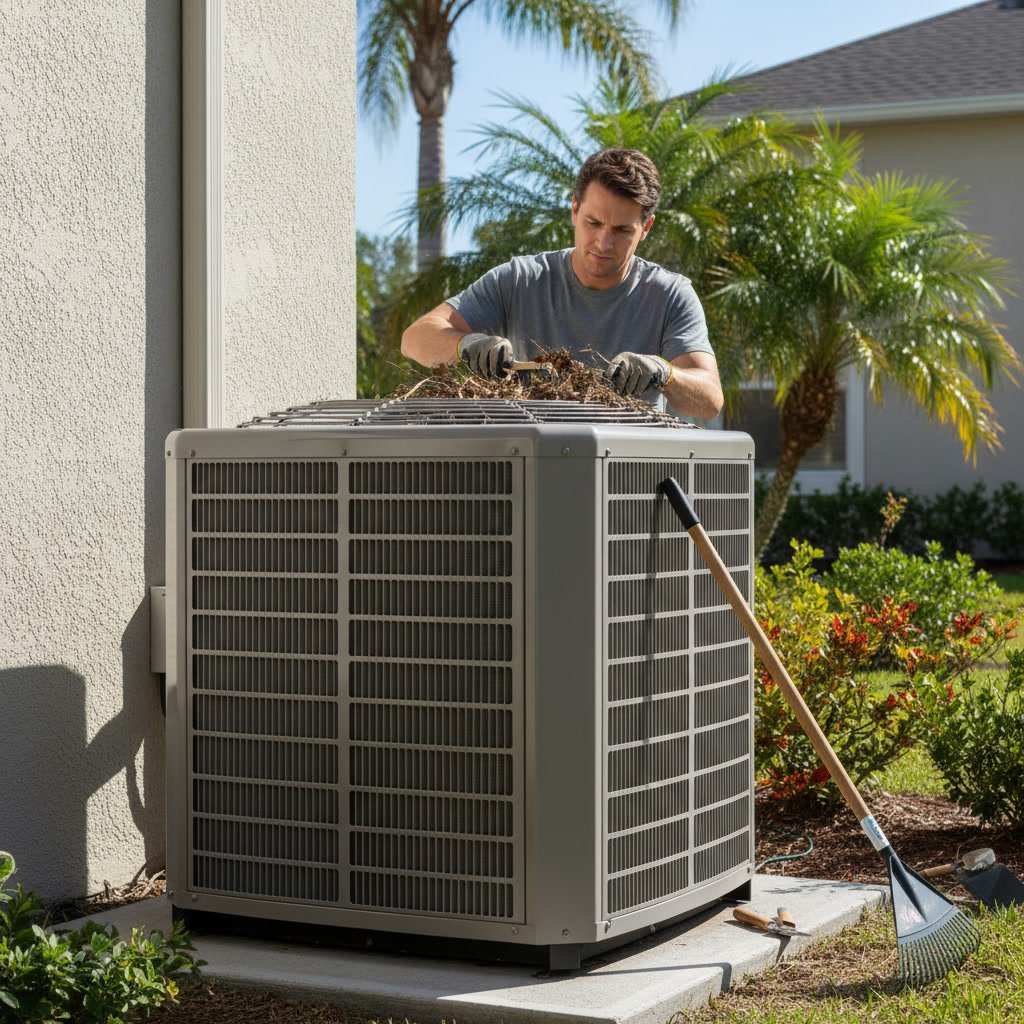
The outdoor condenser unit needs at least two feet of clearance on all sides for proper airflow. Check monthly for leaves, grass clippings, branches, and overgrown vegetation. Even light debris reduces efficiency and forces the compressor to work harder.
During Florida’s storm season, inspect after heavy weather. Flying debris can damage fins and coils, creating expensive repair needs if left unaddressed.
Seasonal HVAC Maintenance Checklist Items
Beyond monthly tasks, your HVAC maintenance checklist should include deeper seasonal work. These items prepare your system for the demands of Florida’s hottest and coolest months.
Spring Preparation for Cooling Season
Before temperatures climb into the 90s, prepare your air conditioning system for months of continuous operation. Start by cleaning the outdoor condenser coils with a garden hose. Spray from the inside out to push dirt and debris away from the unit.
Inspect the condensate drain line for clogs. Pour a cup of white vinegar or a specialized drain line cleaner down the line to prevent algae growth. A clogged drain causes water damage and triggers safety shutoffs that leave you without cooling.
Check all visible ductwork for gaps, tears, or disconnected sections. Leaky ducts waste 20 to 30 percent of conditioned air before it reaches your living spaces. Seal small gaps with mastic sealant or metal tape, not standard duct tape which degrades in Florida’s heat.
Fall Heating System Check
Even though Clermont winters are mild, your heating system needs attention before the first cold snap. Test your furnace or heat pump in heating mode to verify it responds correctly and produces warm air.
Inspect the flame sensor and burner assembly if you have a gas furnace. Carbon buildup on these components causes ignition problems and incomplete combustion. Clean sensors carefully with fine steel wool or emery cloth.
For heat pump systems, check the reversing valve by switching between heating and cooling modes. The valve should click and transition smoothly. Sticking valves leave you without heat when temperatures drop.
Professional HVAC Maintenance Requirements
While homeowner maintenance prevents many problems, professional service addresses issues beyond DIY capability. Schedule professional maintenance twice per year, ideally in spring and fall.
What Professional Maintenance Includes
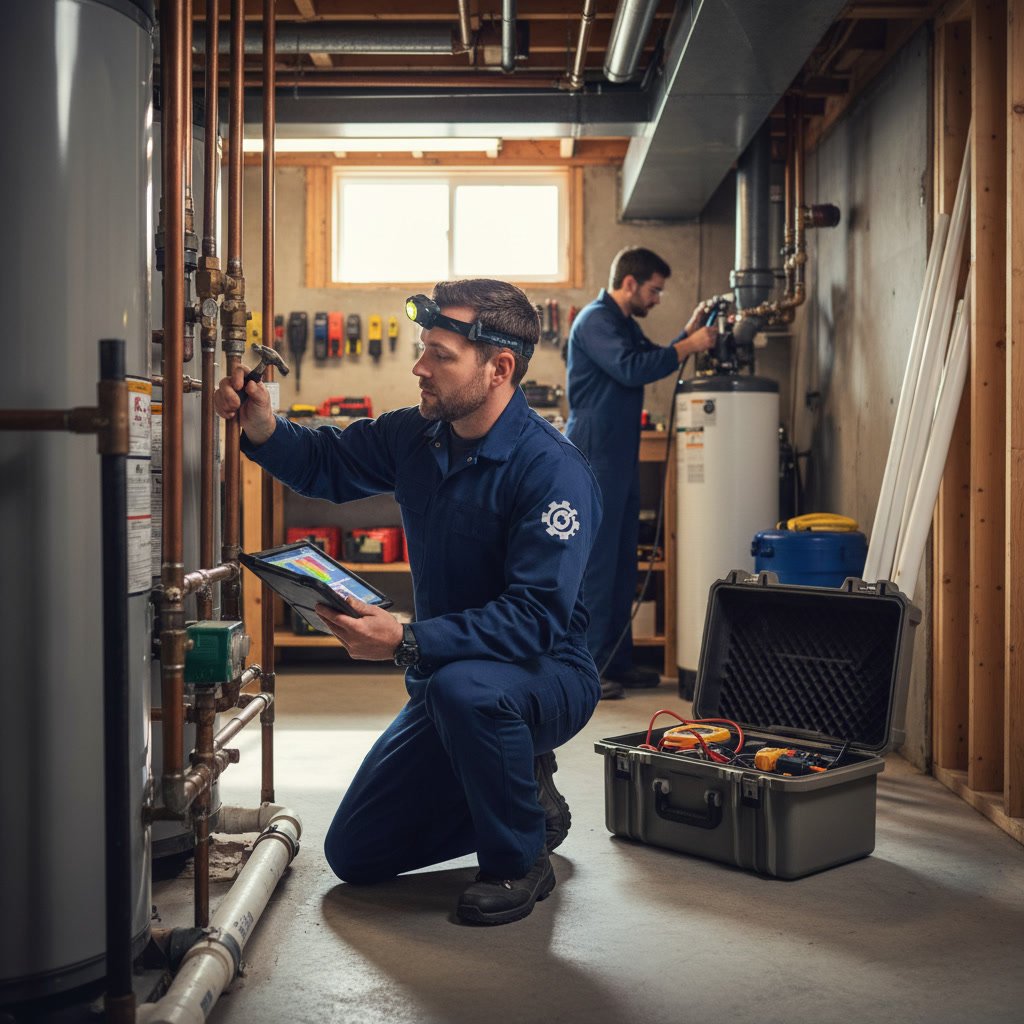
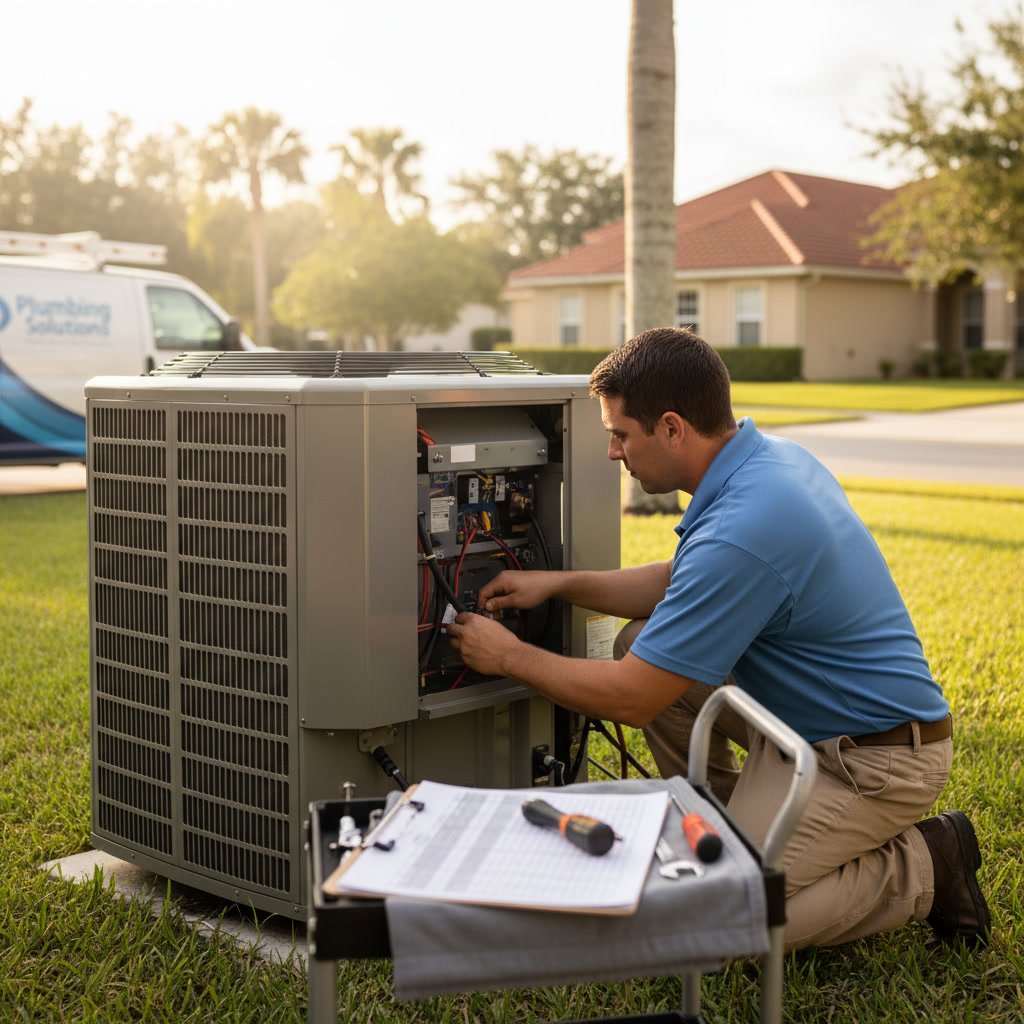
Professional technicians perform 20 to 30 specific checks and adjustments during maintenance visits. They measure refrigerant levels, test electrical connections, calibrate thermostats, and verify safety controls.
Refrigerant level is critical for efficient operation. Systems with low refrigerant run constantly without cooling properly, driving up energy bills and damaging the compressor. Only licensed technicians can legally check and add refrigerant under EPA regulations.
Electrical component testing identifies loose connections, failing capacitors, and worn contactors before they cause breakdowns. A $30 capacitor replacement during maintenance prevents a $1,200 compressor failure in the middle of summer.
Pro Tip: Ask your technician to show you the amperage draw on your compressor and blower motor. Compare these numbers year over year. Rising amperage indicates mechanical problems developing before they cause complete failure.
When to Schedule Service
Book spring maintenance in March or early April before the summer rush. HVAC companies in Clermont get overwhelmed with emergency calls once temperatures spike, making routine appointments harder to schedule.
Fall maintenance works well in October or November when heating demands are still minimal. This timing gives you peace of mind before holiday guests arrive and winter cold fronts move through.
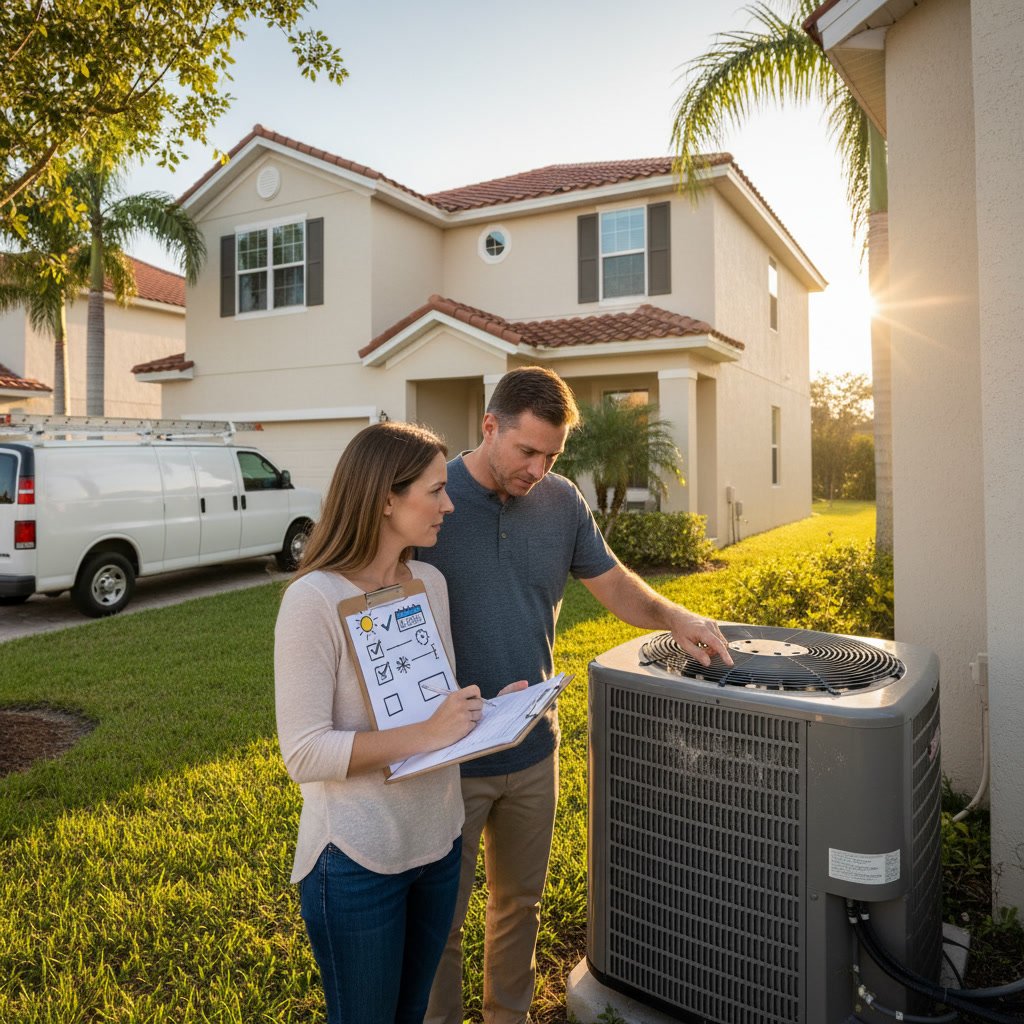
Warning Signs Your HVAC Needs Immediate Attention
Between maintenance visits, watch for signs that indicate developing problems. Early detection prevents small issues from becoming expensive emergencies.
Unusual Noises
Grinding, squealing, or banging sounds always indicate mechanical problems. Grinding suggests bearing failure in motors or blowers. Squealing often means belt wear or misalignment. Banging can signal loose components or a failing compressor.
Never ignore unusual sounds hoping they’ll go away. Components that fail while running typically cause additional damage to surrounding parts, multiplying repair costs.
Reduced Airflow or Cooling
If some rooms feel warmer than others or airflow from vents seems weak, your system isn’t performing correctly. Common causes include dirty coils, low refrigerant, failing blower motors, or duct leaks.
Systems that run constantly without reaching set temperatures waste energy and indicate serious problems. The longer you wait to address these issues, the higher your utility bills climb and the more damage accumulates.
Rising Energy Bills
Compare your monthly energy costs to the same months in previous years. A 15 to 20 percent increase without corresponding changes in usage patterns suggests efficiency loss from poor maintenance or developing mechanical problems.
Modern HVAC systems maintain consistent efficiency until components begin failing. Sudden efficiency drops mean your maintenance schedule needs adjustment or repairs are necessary.
Indoor Air Quality and HVAC Maintenance
Your HVAC system does more than control temperature. It directly affects the air quality throughout your home, impacting health and comfort.
Humidity Control
Florida homes need indoor humidity between 30 and 50 percent for comfort and mold prevention. Your air conditioner removes moisture as part of the cooling process, but a poorly maintained system struggles with humidity control.
Oversized systems or units with dirty coils cycle on and off too quickly, cooling the air without adequate dehumidification. This creates that clammy feeling even when temperatures seem right. Professional maintenance includes checking refrigerant charge and airflow to optimize dehumidification.
Filter Upgrades
Standard fiberglass filters catch large particles but allow dust, pollen, and mold spores to circulate. Upgrading to MERV 8 or MERV 11 pleated filters dramatically improves air quality without restricting airflow.
Higher-rated filters capture smaller particles but require more frequent replacement. MERV 13 and above often need professional assessment to ensure your system can handle the increased resistance without strain.
Cost Savings from Regular Maintenance
Investing in regular HVAC maintenance delivers measurable financial returns through lower operating costs and extended equipment life.
Energy Efficiency Improvements
Well-maintained systems use 15 to 25 percent less energy than neglected equipment. For a home with $200 monthly cooling costs during summer, maintenance saves $30 to $50 per month. Over a five-month cooling season, that’s $150 to $250 in annual savings.
These savings compound over the system’s lifetime. A unit operating 20 percent more efficiently saves thousands in electricity costs while producing fewer greenhouse gas emissions.
Avoiding Expensive Repairs
Most major HVAC failures result from minor problems left unaddressed. A $15 air filter that wasn’t changed causes a frozen evaporator coil. Ignoring that frozen coil damages the compressor, turning a $15 oversight into a $2,500 repair.
Professional maintenance catches these developing problems when fixes cost $50 to $200 instead of thousands. The average maintenance visit costs $100 to $150 but prevents repairs averaging five to ten times that amount.
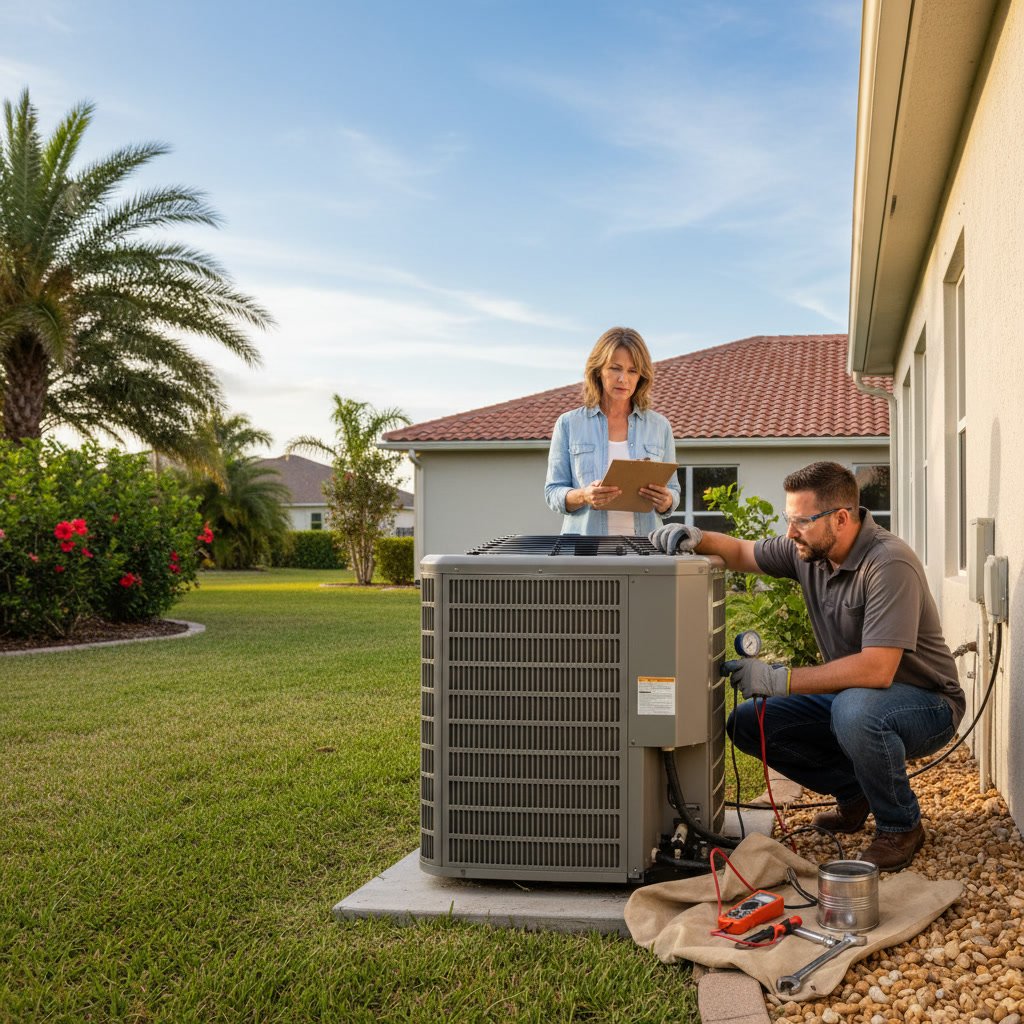
DIY Maintenance Safety Considerations
While homeowners can handle many maintenance tasks, HVAC systems involve high voltage electricity, refrigerants, and combustible gases. Know your limits and when to call professionals.
Electrical Hazards
Always turn off power at the breaker before performing any maintenance beyond filter changes. HVAC systems use 240-volt circuits that can cause serious injury or death. If you’re uncomfortable working with electricity, hire a professional.
Never bypass safety switches or attempt repairs on electrical components. These modifications void warranties and create fire hazards. Complete Home Solutions offers comprehensive electrical services for homes throughout the Orlando area when you need expert help.
Refrigerant Regulations
Federal law prohibits homeowners from purchasing or handling refrigerants without EPA certification. Systems with refrigerant leaks require licensed technicians for diagnosis and repair.
Releasing refrigerants into the atmosphere carries significant fines. Even small leaks damage the environment and indicate problems that worsen without professional repair.
Frequently Asked Questions
How often should I schedule professional HVAC maintenance?
Schedule professional maintenance twice per year, once before cooling season and once before heating season. This schedule catches problems early and keeps your system running efficiently. Homes with pets, smokers, or family members with allergies may benefit from more frequent service.
Can I perform HVAC maintenance myself or do I need a professional?
Homeowners can handle monthly tasks like filter changes, thermostat checks, and clearing debris from outdoor units. However, tasks involving refrigerant, electrical components, gas connections, and internal mechanisms require professional expertise and specialized tools. Professional maintenance typically costs $100 to $150 but catches problems DIY checks miss.
What happens if I skip regular HVAC maintenance?
Skipping maintenance reduces efficiency by 5 percent or more annually, increases energy bills, shortens equipment lifespan by five to ten years, and voids most manufacturer warranties. You’ll also face more frequent breakdowns and higher repair costs. The money saved by skipping maintenance gets spent many times over on premature replacement and emergency repairs.
How long does an HVAC maintenance visit take?
Professional maintenance visits typically take 60 to 90 minutes for a thorough inspection of both indoor and outdoor components. Technicians perform 20 to 30 specific checks, clean components, test operation, and provide recommendations. Rushed visits under 45 minutes often miss developing problems.
Does regular maintenance really extend my HVAC system’s lifespan?
Yes, properly maintained HVAC systems last 15 to 20 years compared to 10 to 12 years for neglected equipment. Maintenance prevents the cumulative damage that causes premature failure. Since replacement costs $4,000 to $8,000 or more, the five to eight additional years of service from maintenance represent significant value.
Keep Your Clermont Home Comfortable Year-Round
Following this HVAC maintenance checklist protects your investment and keeps your home comfortable through Florida’s demanding climate. Monthly attention to filters and outdoor units combined with seasonal deep maintenance and professional service twice per year maximizes efficiency and prevents expensive breakdowns.
Complete Home Solutions provides comprehensive HVAC maintenance and repair services throughout Winter Garden, Orlando, and surrounding communities. Our technicians deliver thorough inspections and honest recommendations without pressure sales tactics. Whether you need routine maintenance, emergency repairs, or guidance on system upgrades, our team brings the expertise to keep your home comfortable. Contact us at +14073053305 to schedule your maintenance visit.