Your air conditioning system works overtime in Florida’s heat and humidity. Without regular care, your HVAC system can lose efficiency, rack up higher energy bills, and fail when you need it most. An HVAC system that’s properly maintained lasts longer, runs more efficiently, and keeps your family comfortable through every season.
This HVAC maintenance checklist breaks down the essential tasks every Horizon West homeowner should perform to protect their investment and avoid unexpected breakdowns. From simple monthly checks to comprehensive seasonal tune-ups, you’ll know exactly what needs attention and when.
Monthly HVAC Maintenance Tasks
The most important monthly task is checking and replacing your air filter. A clogged filter forces your system to work harder, reduces airflow, and can lead to frozen coils or compressor failure.
Check your filter every 30 days, especially during peak cooling months from May through September. If you have pets, multiple family members, or run your system constantly, you may need to change filters every two to three weeks. Standard 1-inch filters typically need replacement monthly, while thicker 4-inch or 5-inch filters can last 3-6 months.
Look at your thermostat settings to ensure they match your actual comfort needs. Many homeowners keep their systems set too low, wasting energy and money. Each degree you raise your thermostat above 72°F can save 3-5% on cooling costs.
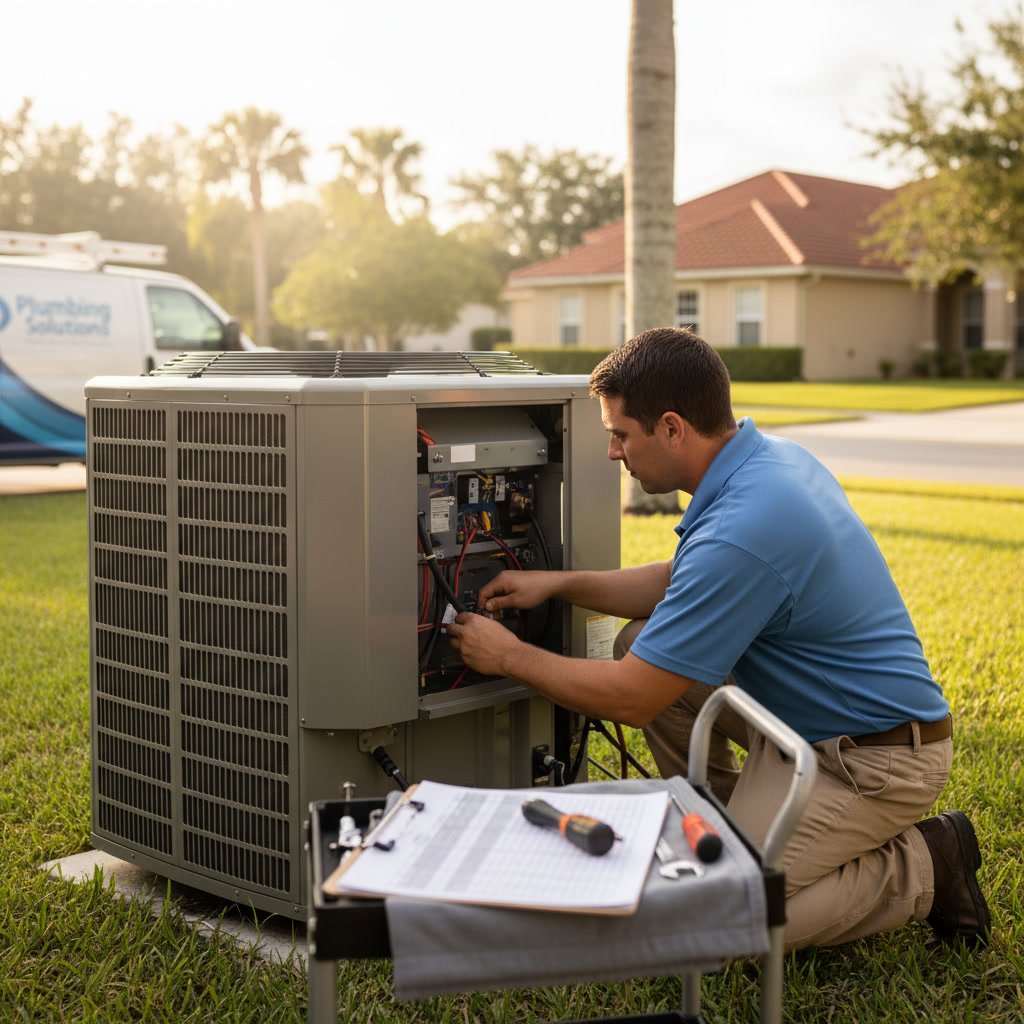
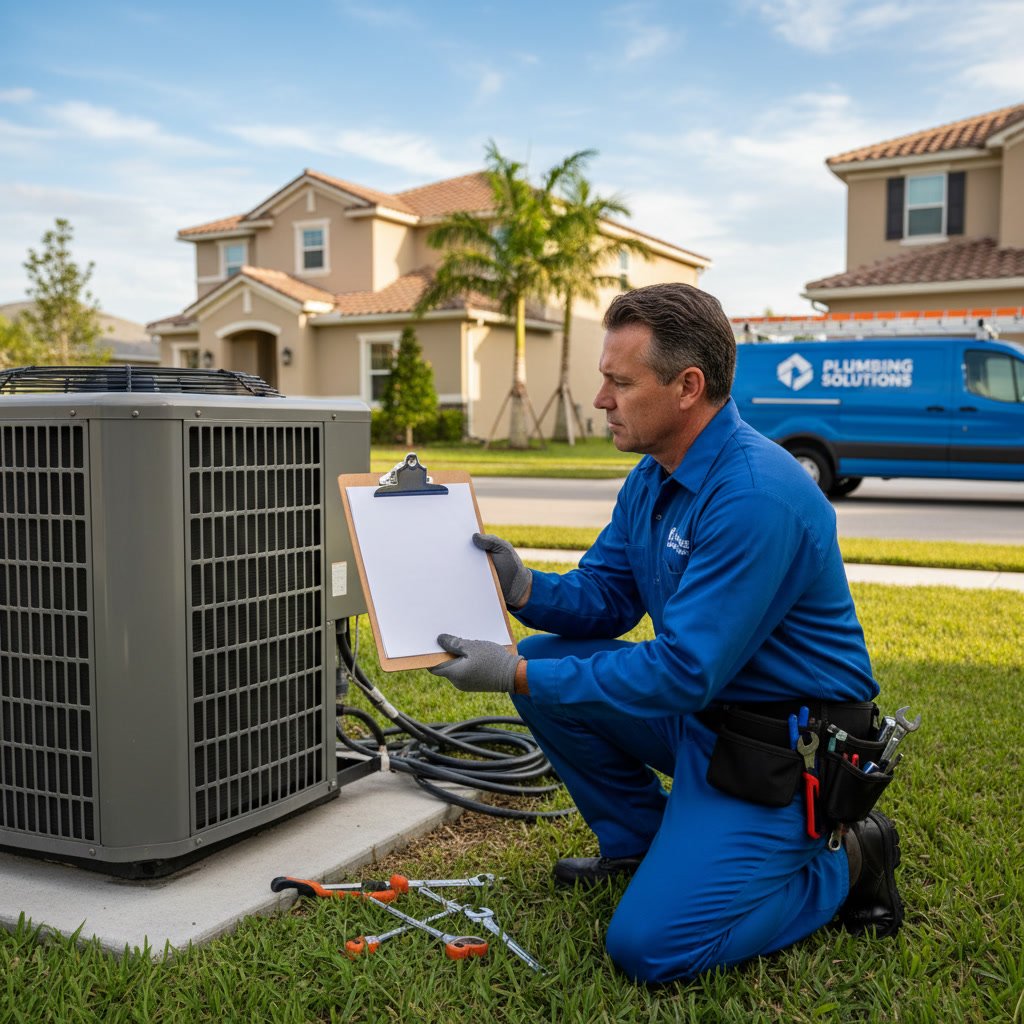
Walk around your outdoor unit and clear away any debris, leaves, grass clippings, or vegetation. Maintain at least two feet of clearance around all sides of the condenser unit to ensure proper airflow and heat dissipation.
Seasonal HVAC Maintenance Checklist
Spring and fall are the ideal times for comprehensive HVAC system checks. These seasonal tune-ups prepare your system for the heavy workload of summer cooling and winter heating.
Spring Cooling Season Preparation
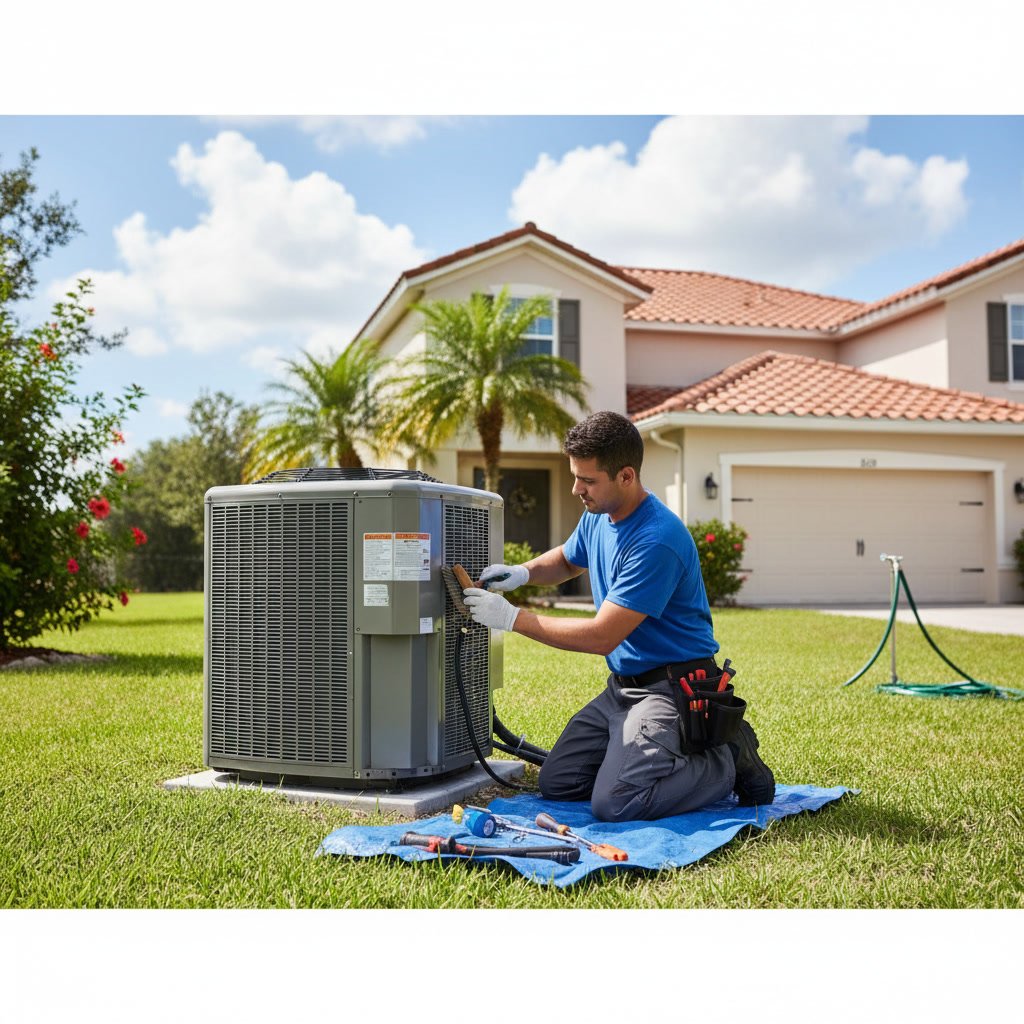
Before the temperature climbs, inspect your outdoor condenser unit. Remove the protective cover if you used one during winter months. Gently spray down the condenser coils with a garden hose to remove dirt and pollen buildup, always spraying from the inside out.
Test your system by turning it on and listening for unusual sounds like grinding, squealing, or banging. These noises often indicate worn belts, loose components, or failing motors that need immediate attention.
Check the condensate drain line for clogs. Pour a cup of white vinegar or bleach down the drain line to kill algae and prevent blockages. A clogged drain line can cause water damage to ceilings, walls, and floors.
Fall Heating Season Preparation
Even though Horizon West winters are mild compared to northern states, your heating system still needs attention. Test your heat mode before the first cool night arrives to ensure everything works properly.
Inspect all visible ductwork for gaps, holes, or disconnected sections. Leaky ducts waste up to 30% of your conditioned air and force your system to run longer cycles.
Clean the area around your indoor air handler. Dust and debris can get sucked into the system and reduce indoor air quality. Wipe down the exterior cabinet and vacuum around the unit.
Pro Tip: Schedule professional maintenance in April and October to avoid the rush. Service calls during peak summer heat can take days to schedule, leaving you uncomfortable when breakdowns happen.
Annual Professional HVAC Service
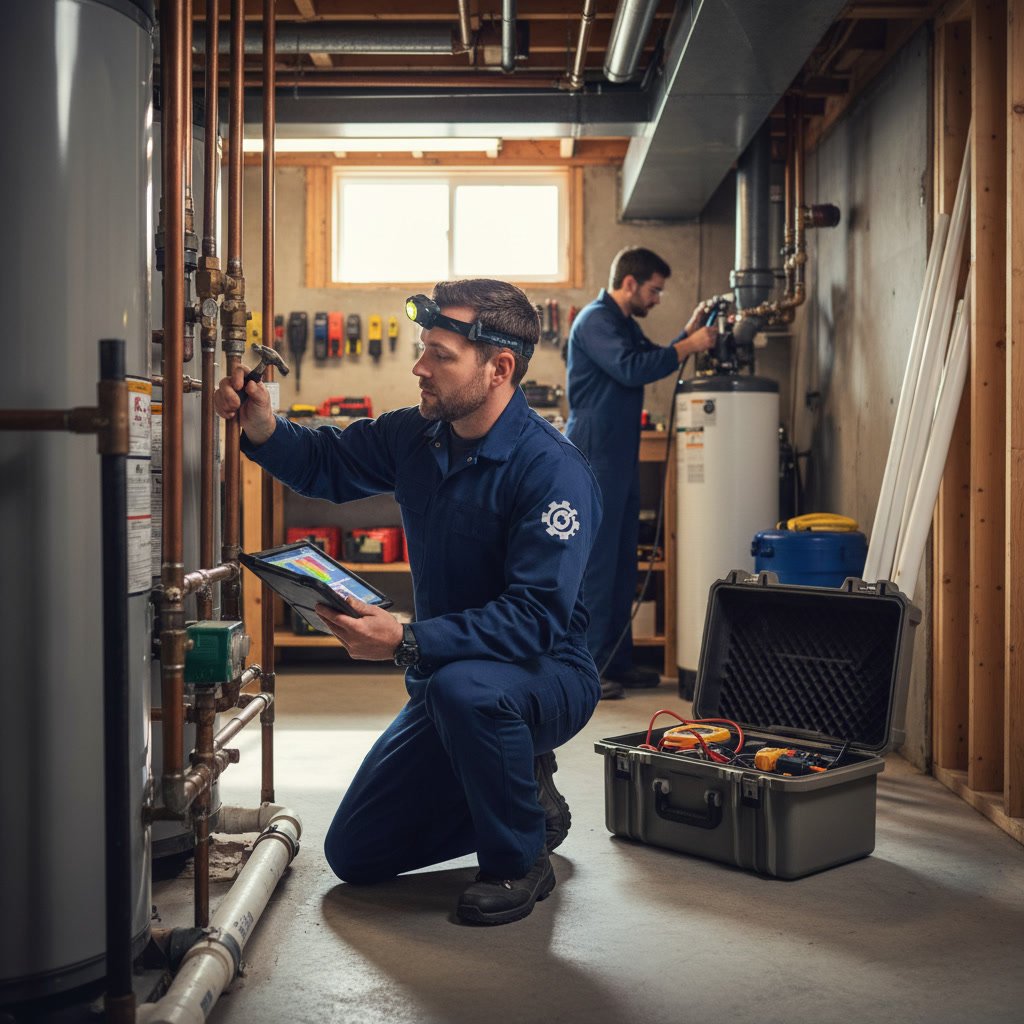
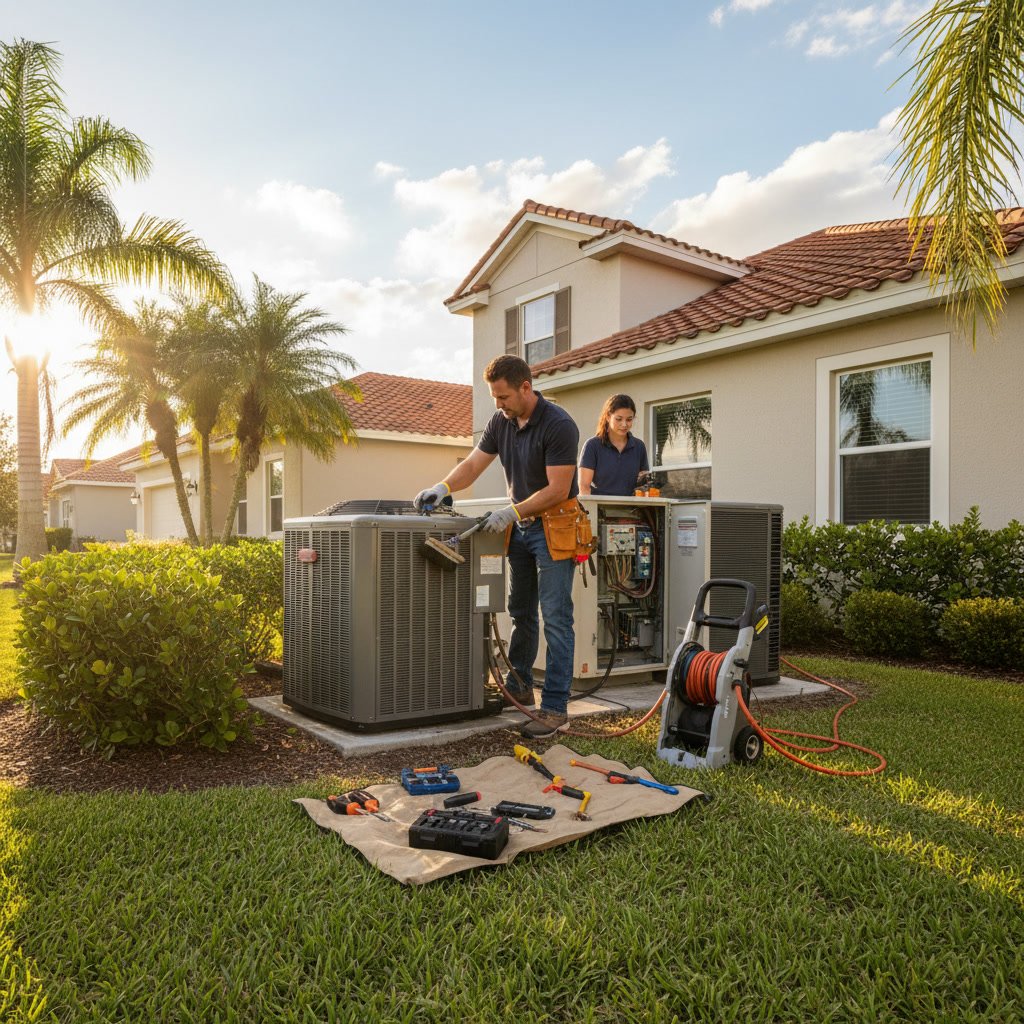
While homeowner maintenance handles the basics, professional technicians perform crucial tasks that require specialized tools and training. Annual service appointments catch small problems before they become expensive repairs.
A qualified HVAC technician will measure refrigerant levels and check for leaks. Low refrigerant doesn’t just happen over time. If your system is low, you have a leak that needs repair. Simply adding more refrigerant without fixing the leak wastes money and harms the environment.
Technicians test electrical connections, measure voltage and amperage on motors, and tighten any loose wires. Electrical problems cause roughly 40% of all HVAC failures and create fire hazards.
The blower motor, fan blades, and belts receive inspection and adjustment. Worn belts get replaced before they snap. Motors receive lubrication if they have oil ports. The technician also measures airflow to ensure your system moves the correct cubic feet per minute (CFM) for your home’s size.
Critical Components That Need Regular Attention
Certain HVAC components require more frequent monitoring because they directly impact system performance and longevity.
Thermostat Accuracy and Calibration
Your thermostat controls when and how long your system runs. An inaccurate thermostat wastes energy by running your system too often or not often enough.
Test thermostat accuracy by placing a separate thermometer next to it. After 15 minutes, compare readings. A difference of more than 2°F indicates calibration issues or a failing thermostat.
Consider upgrading to a programmable or smart thermostat if you still use a manual model. Programmable thermostats can reduce energy costs by 10-23% through automated temperature adjustments when you’re away or sleeping.
Drain Pan and Condensate System
Your air conditioner removes humidity from indoor air, producing gallons of condensation daily. This water collects in a drain pan and flows through a drain line to the outside.
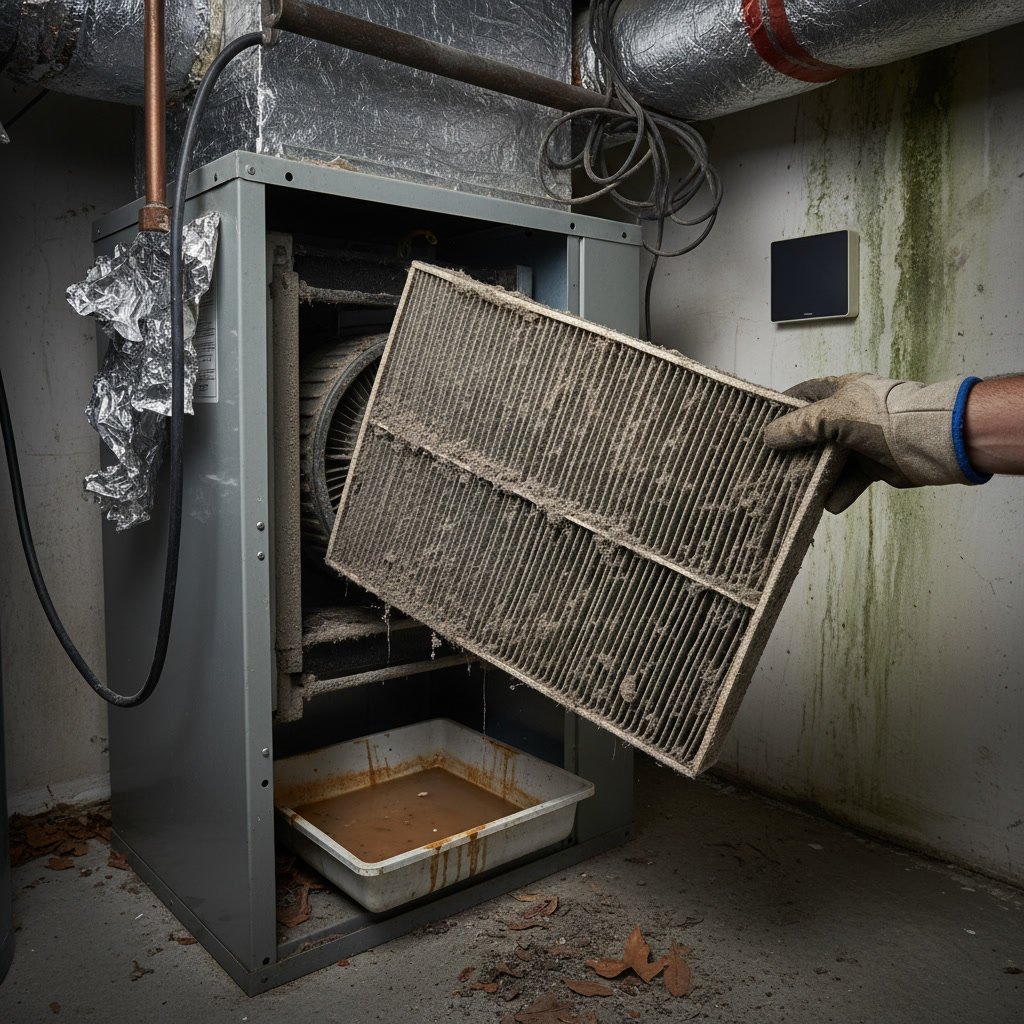
Inspect the drain pan every few months for standing water, rust, or cracks. Standing water indicates a clog somewhere in the drain line. Rust or cracks mean the pan needs replacement before it leaks onto your ceiling or floor.
Pour water into the drain pan to verify it drains properly. If water backs up, flush the line with a wet/dry vacuum or call a professional to clear the blockage.
Outdoor Unit Coils and Fins
The outdoor condenser coils release heat from your home to the outside air. Dirty coils can’t transfer heat efficiently, forcing your compressor to work harder and use more electricity.
Inspect coils twice a year and clean them when you notice dirt buildup. Use a coil cleaning solution designed for HVAC systems, not harsh chemicals that damage the fins.
Bent fins restrict airflow. Straighten them carefully with a fin comb, available at hardware stores. Work slowly to avoid causing more damage.
Signs Your HVAC System Needs Immediate Service
Some problems can’t wait for the next scheduled maintenance visit. Watch for these warning signs that indicate immediate professional attention is needed.
Weak airflow from your vents suggests blower motor problems, severe duct leaks, or a failing compressor. If only one or two rooms have weak airflow, you likely have a duct problem. If every room experiences reduced airflow, the issue lies with the air handler or compressor.
Strange odors indicate different problems. A musty smell points to mold growth in the ductwork or air handler. A burning smell suggests electrical issues or overheating components. A rotten egg odor (if you have gas heat) could indicate a gas leak and requires immediate evacuation and a call to the gas company.
Frequent cycling, where your system turns on and off repeatedly without completing full cooling or heating cycles, wastes energy and stresses components. Common causes include thermostat problems, refrigerant leaks, or an oversized system.
Unusual increases in your energy bills without corresponding increases in usage suggest efficiency problems. Compare your current bills to the same months in previous years. An unexplained 20-30% increase warrants a professional inspection.
Key Takeaway: Never ignore water pooling around your indoor unit. This indicates a serious drainage problem that can cause extensive water damage within hours.
Energy Efficiency Tips Between Maintenance Visits
Proper maintenance keeps your system running, but smart habits maximize efficiency and reduce operating costs between service appointments.
Use ceiling fans to improve air circulation and create a wind-chill effect. This allows you to raise your thermostat by 4°F without sacrificing comfort. Just remember that fans cool people, not rooms. Turn them off when you leave.
Close blinds and curtains on south and west-facing windows during the hottest parts of the day. Direct sunlight can raise indoor temperatures by 10-20°F, forcing your air conditioner to run longer cycles.
Seal air leaks around windows, doors, and where utilities enter your home. These gaps let conditioned air escape and hot, humid outdoor air seep inside. Weatherstripping and caulk are inexpensive fixes that provide immediate returns.
Avoid using heat-generating appliances during peak afternoon hours. Ovens, dishwashers, and dryers add significant heat to your home. Run these appliances in the evening or early morning when outdoor temperatures are lower.
Keep interior doors open to maintain balanced airflow throughout your home. Closing doors creates pressure imbalances that force your system to work harder and can cause comfort problems in closed-off rooms.
When to Replace vs Repair Your HVAC System
Regular maintenance extends system life, but every HVAC unit eventually reaches the end of its service life. Knowing when to repair versus replace saves money in the long run.
The average lifespan for a central air conditioner in Florida is 12-15 years. Heat pumps typically last 10-12 years due to year-round operation. Gas furnaces can last 15-20 years, though this matters less in Central Florida’s climate.
Use the $5,000 rule for repair decisions. Multiply the repair cost by your system’s age. If the result exceeds $5,000, replacement usually makes more financial sense. For example, a $400 repair on a 10-year-old system equals $4,000, suggesting repair is worthwhile. That same $400 repair on a 15-year-old system equals $6,000, indicating replacement is the better investment.
Systems that require frequent repairs, even if individually inexpensive, often cost more to maintain than replacing. If you’ve spent more than $1,000 on repairs in the past two years, consider whether that money would be better invested in a new, efficient system.
Complete Home Solutions serves homeowners throughout Winter Garden, Orlando, and surrounding communities with honest assessments. Our technicians won’t recommend replacement unless it truly makes financial sense for your situation.
The True Cost of Skipping HVAC Maintenance
Some homeowners skip maintenance to save money, but this decision typically costs more in the long run through reduced efficiency, shortened equipment life, and emergency repairs.
Neglected systems lose approximately 5% of their efficiency each year. Over five years without maintenance, a system running at 50% of its original efficiency can double your cooling costs. Annual maintenance costs $150-300, while the energy waste from a neglected system can cost $500 or more per year.
Manufacturer warranties often require proof of annual professional maintenance. Skipping service can void your warranty, leaving you responsible for the full cost of major repairs or replacement. A new compressor costs $1,200-2,500, while warranty coverage reduces your cost to just the labor.
Emergency repairs cost significantly more than scheduled service. After-hours and weekend service calls typically include surcharges of $100-300 on top of regular repair costs. Maintaining your system reduces the likelihood of breakdowns during peak usage periods.
Indoor air quality suffers without regular maintenance. Dirty filters, coils, and ductwork circulate dust, allergens, mold spores, and other contaminants throughout your home. This affects respiratory health, especially for family members with asthma or allergies.
Frequently Asked Questions
How often should I change my HVAC filter in Florida?
Check your filter monthly and replace it when it looks dirty or clogged. Most Florida homes need filter changes every 30-45 days during cooling season due to constant system operation, high pollen counts, and humidity. Homes with pets, multiple occupants, or allergy sufferers should change filters every 20-30 days.
What temperature should I set my thermostat to save money?
The Department of Energy recommends 78°F when you’re home and awake, 82-85°F when you’re away, and 80-82°F while sleeping. Every degree below 78°F increases cooling costs by approximately 3-5%. Programmable thermostats automate these adjustments to maximize savings without sacrificing comfort when you’re home.
Can I perform my own HVAC maintenance or do I need a professional?
Homeowners can handle basic tasks like changing filters, cleaning outdoor units, clearing drain lines, and maintaining clearance around equipment. However, annual professional service is essential for tasks requiring specialized tools and training, such as checking refrigerant levels, testing electrical connections, measuring airflow, and inspecting internal components. This combination of DIY maintenance and professional service provides the best results.
Why is my air conditioner freezing up?
Frozen coils typically result from restricted airflow caused by dirty filters, blocked vents, or failing blower motors. Low refrigerant from leaks can also cause freezing. Turn off your system immediately if you notice ice buildup, allow it to thaw completely, check and replace your filter, and call a professional if the problem returns after the filter change.
How much does annual HVAC maintenance cost?
Professional HVAC maintenance typically costs $150-300 per visit depending on your system type and service location. Many companies offer maintenance plans that include annual or bi-annual service at discounted rates, plus benefits like priority scheduling, repair discounts, and extended warranties. The cost is minimal compared to energy savings, extended equipment life, and avoided emergency repairs.
Keep Your Home Comfortable Year-Round
Following this HVAC maintenance checklist protects your investment, reduces energy costs, and ensures reliable comfort throughout the year. Monthly filter changes and seasonal inspections prevent most common problems, while annual professional service catches issues before they become expensive failures.
Complete Home Solutions provides comprehensive HVAC maintenance and repair services to homeowners in Horizon West and throughout Central Florida. Our experienced technicians deliver honest, transparent service without unnecessary upsells or hidden fees. Whether you need routine maintenance, emergency repairs, or guidance on system replacement, we’re here to help.
Schedule your HVAC maintenance appointment today by calling +14073053305. We’ll keep your system running efficiently so you can focus on enjoying your home, not worrying about your comfort.